

Table of Contents
- What Makes Light Roast Coffee Ideal for Beginners
- Light Roast Coffee Flavor Profile: What to Expect
- 1. Gourmet Donut Shop: Smooth Blend for Everyday Mornings
- 2. Ethiopia Natural: Fruity and Approachable Single-Origin
- 3. Tanzania: Floral Notes with Gentle Brightness
- 4. Uganda: Balanced Acidity and Chocolate Sweetness
- How to Brew Light Roast Coffee for Maximum Clarity
- How to Identify Quality Light Roast Beans
- Frequently Asked Questions
Last Updated: September 27, 2026
What Makes Light Roast Coffee Ideal for Beginners
Light roast coffee beans are the best entry point for people new to specialty coffee because they preserve the bean's natural flavors and acidity without the heaviness of darker roasts. When coffee is roasted lightly, it develops bright, complex tasting notes, fruit-forward characteristics, floral notes, and clean cup clarity, that reveal the origin's true personality. This is where beginners discover why coffee enthusiasts get passionate about single-origin varieties and processing methods.
The misconception that light roast means weak or thin-bodied coffee stops many people from trying it. In reality, light roast coffee beans deliver more caffeine than dark roasts and showcase flavor complexity that makes each sip interesting. For someone tired of bitter, over-extracted coffee from mass-market blends, light roast offers an immediate upgrade without requiring expensive equipment or barista-level skill.
Iron Rooster Coffee Co. specializes in freshly roasted light and medium-light options that balance approachability with genuine flavor clarity. The beans arrive with a roast date printed on the bag, not a mystery date from months prior, which means the coffee tastes vibrant and alive when you brew it. This freshness matters more than any other factor for beginners because stale beans mask the very flavors that make specialty coffee worth exploring.
Light Roast Coffee Flavor Profile: What to Expect
Light roast coffee develops distinct tasting notes during the roasting process, typically stopping at or just after the first crack. At this point, the bean's sugars begin caramelizing while the origin's inherent flavors, fruit, floral, chocolate, or citrus, remain prominent. You'll encounter terms like "brightness," "acidity," and "body" when exploring light roast coffee beans, and understanding these helps you pick the right bean for your palate.
Brightness refers to the liveliness and sharpness of flavor, not sourness, though beginners often confuse the two. A bright light roast tastes crisp and clean, like biting into citrus or stone fruit. Acidity is the chemical compound that creates this sensation; it's desirable in specialty coffee because it signals freshness and flavor complexity. Body describes the coffee's weight and texture on your tongue, light roasts typically have a lighter body than dark roasts, allowing delicate flavors to shine through.
Common flavor profiles in light roast coffee beans include fruit-forward notes (berries, stone fruit, citrus), floral undertones (jasmine, hibiscus), chocolate sweetness, and sometimes herbal or tea-like qualities. Single-origin light roasts showcase these characteristics most clearly because the bean's terroir, altitude, soil type, climate, and processing method, directly influences what you taste in the cup.
1. Gourmet Donut Shop: Smooth Blend for Everyday Mornings
The Gourmet Donut Shop blend from Iron Rooster Coffee Co. proves that light roast coffee beans don't require single-origin complexity to deliver genuine flavor. This light-medium roast combines multiple origins into a balanced blend featuring cocoa, caramel, toffee, and mild fruit notes, a flavor profile that feels familiar enough for coffee newcomers but sophisticated enough to keep you interested.

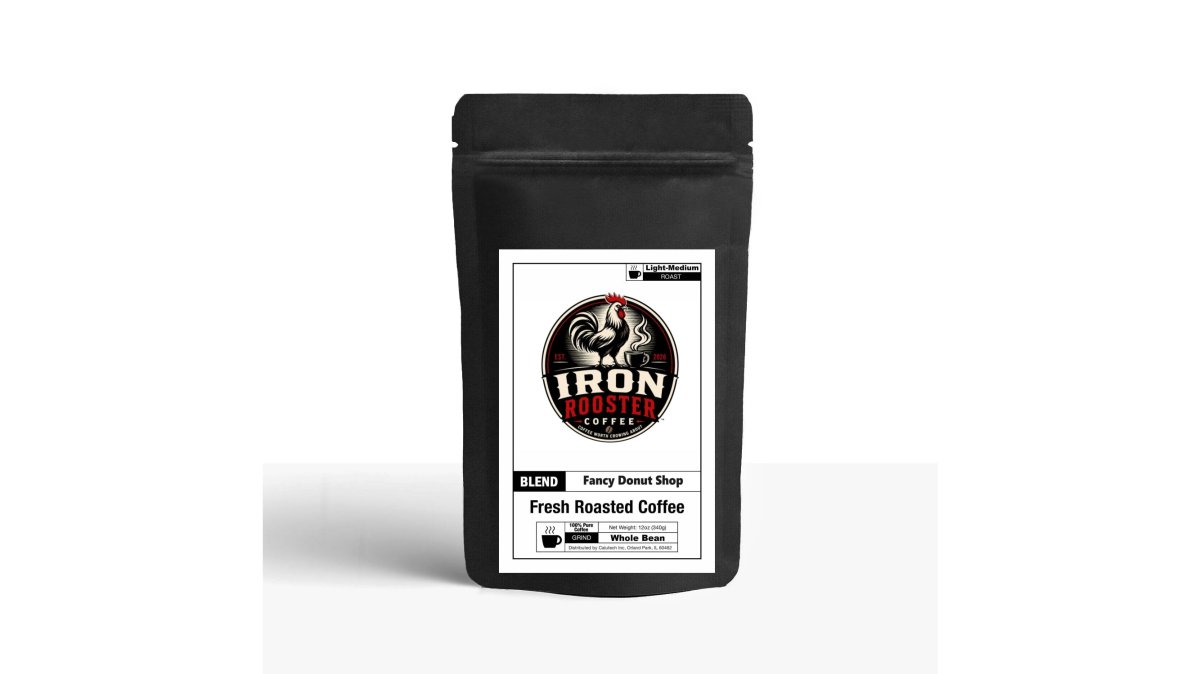
Blended light roasts like this one solve a real beginner problem: single-origin beans can be polarizing. A fruit-forward Ethiopian might taste too bright for someone expecting traditional coffee flavor, while a floral Tanzanian might feel unfamiliar. The Gourmet Donut Shop splits the difference by combining beans that balance each other. The result is a smoother cup that doesn't sacrifice flavor clarity for approachability.
At $20.99 per bag, this blend delivers excellent value for someone building a home coffee routine. The cocoa and caramel notes suggest this coffee works well with milk, though it's equally enjoyable black. If your mornings follow a predictable routine and you want a reliable, satisfying cup without decision fatigue, this is the best starting point.
2. Ethiopia Natural: Fruity and Approachable Single-Origin
Ethiopia Natural from Iron Rooster Coffee Co. introduces beginners to single-origin coffee and natural-processed beans, two concepts that sound intimidating but taste revelatory. This medium-light roast comes from smallholder farmers in the Sidama zone at altitudes between 1,700 and 1,900 meters, where Indigenous Heirloom Cultivars thrive in Nitisol soil.

The natural processing method, where coffee cherries dry whole on raised beds before the bean is extracted, creates the fruity, milk chocolate character you'll taste here. This is fundamentally different from washed-processed beans, which are stripped of their fruit layers before drying. Natural-processed coffee beans retain more of the cherry's sugars, resulting in sweeter, more fruit-forward tasting notes. The Ethiopia Natural delivers exactly that: milk chocolate, fruity sweetness, and caramel complexity that reveals itself as the coffee cools.
For beginners, this bean answers the question: "Why do coffee people care about processing method?" The answer is immediate and delicious. At $20.99, it costs the same as the Gourmet Donut Shop blend but offers an entirely different experience. If you're curious about how coffee origin and processing actually influence flavor, this single-origin is the clearest introduction.
3. Tanzania: Floral Notes with Gentle Brightness
Tanzania from Iron Rooster Coffee Co. shifts the flavor profile toward floral and citrus notes while maintaining the approachability beginners need. This medium-light roast comes from small cooperative farmers in the Mbeya region at altitudes between 1,200 and 1,900 meters, where Bourbon and Kent varieties grow in clay mineral soil.

The washed-processing method, where the fruit is removed before drying, creates the clean cup and flavor clarity that makes Tanzania distinctive. Washed-processed beans tend toward brighter acidity and more delicate tasting notes than natural-processed counterparts. You'll taste pear, floral notes, jasmine, and strawberry, a flavor profile that feels lighter and more tea-like than the Ethiopia Natural's chocolate sweetness.
This bean teaches beginners about acidity and brightness without overwhelming the palate. The floral and fruit-forward characteristics are pronounced enough to notice but balanced enough to feel approachable. At $20.99, Tanzania represents the best entry point if you prefer bright, clean-cup coffee over heavier, chocolatey profiles.
4. Uganda: Balanced Acidity and Chocolate Sweetness
Uganda from Iron Rooster Coffee Co. offers a bridge between the fruity clarity of Tanzania and the chocolate sweetness of Ethiopia. This light-roast single-origin comes from the Sipi region of Kapchorwa District at altitudes between 1,500 and 2,500 meters, where Bourbon, SL14, SL28, and Blue Mountain varietals thrive.
How to Brew Light Roast Coffee for Maximum Clarity
The best brewing method for light roast coffee beans depends on your equipment and patience level, but the principle remains constant: extract the coffee's soluble flavors without over-extracting bitter compounds. Light roasts require slightly more precision than dark roasts because their delicate flavors are easier to mask with poor technique, but the learning curve is shallow.
Best Brewing Methods for Beginners
Pour-over (Chemex, V60, Melitta): These methods offer excellent flavor clarity because the paper filter removes oils and sediment. Pour-over requires a bit of technique, consistent pouring speed, proper water temperature, but the learning curve is forgiving. Most beginners master pour-over within a week of practice. Brew time: 2.5-4 minutes.
| Brewing Method | Brew Time | Difficulty | Best For | Flavor Profile |
|---|---|---|---|---|
| Pour-over | 2.5-4 min | Moderate | Flavor clarity | Clean, bright |
| French press | 3-4 min | Easy | Consistency | Full-bodied, rich |
| Aeropress | 1-2 min | Easy | Simplicity | Clean, balanced |
| Automatic drip | 5-10 min | Easy | Convenience | Balanced, consistent |
How to Identify Quality Light Roast Beans
Quality light roast coffee beans share specific visual and olfactory characteristics that signal freshness and proper roasting. Learning to spot these markers helps you avoid stale or poorly roasted coffee, whether you're buying from Iron Rooster Coffee Co. or elsewhere.
Frequently Asked Questions
What are the main flavor differences between light and dark roast coffee?
Light roast coffee preserves more of the bean's origin characteristics, delivering fruit-forward, floral, and citrus notes with higher acidity and brightness. Dark roasts develop deeper, smokier flavors with lower acidity. Light roasts showcase the varietal and region's influence more clearly, making them ideal for exploring single-origin coffees and tasting notes like those found in our Ethiopia Natural or Tanzania options.
Are light roast coffee beans more acidic than dark roasts?
Yes, light roast coffee beans retain more acidity because the roasting process is shorter, preserving the chlorogenic acids in the bean. However, this acidity isn't harsh or sour when brewed correctly, it creates brightness and clarity. Our Uganda light roast is noted for mild acidity, making it beginner-friendly while still delivering the clean cup and flavor clarity that specialty coffee enthusiasts appreciate.
What brewing methods work best for light roast coffee beans?
Pour-over and bloom brewing methods work best for light roasts because they allow precise extraction and highlight flavor clarity. Start with a 30-second bloom to release CO2, then pour slowly to avoid under-extraction. A medium-fine grind size and water temperature around 195-205°F help extract the full range of tasting notes without bitterness. Beginners often find pour-over easier to control than espresso for their first light roast experience.
How do I know if my light roast coffee is fresh-roasted?
Check the roast date on the bag, it should be within 2-4 weeks of purchase for optimal freshness. Look for whole beans with a light brown color (not pale or oily), which indicates proper roasting and handling. Freshly roasted beans release more CO2 during the bloom phase when brewing. Iron Rooster Coffee Co. ships beans shortly after roasting with a visible roast date, ensuring you receive coffee at peak flavor.