

Table of Contents
- Best Smooth Morning Coffee Blends for Home Brewing
- How to Make Coffee Less Bitter at Home
- Best Coffee-to-Water Ratio for a Smooth Cup
- Coffee Grind Size for Smooth Flavor
- How to Prepare Coffee the Night Before
- Brewing Methods That Deliver Smooth Results
- Water Quality and Freshness Matter
- Troubleshooting Weak, Sour, or Bitter Coffee
- Frequently Asked Questions
Last Updated: October 10, 2026
Best Smooth Morning Coffee Blends for Home Brewing
Smooth morning coffee for home brewing requires choosing the right beans and understanding how they interact with water, heat, and time.
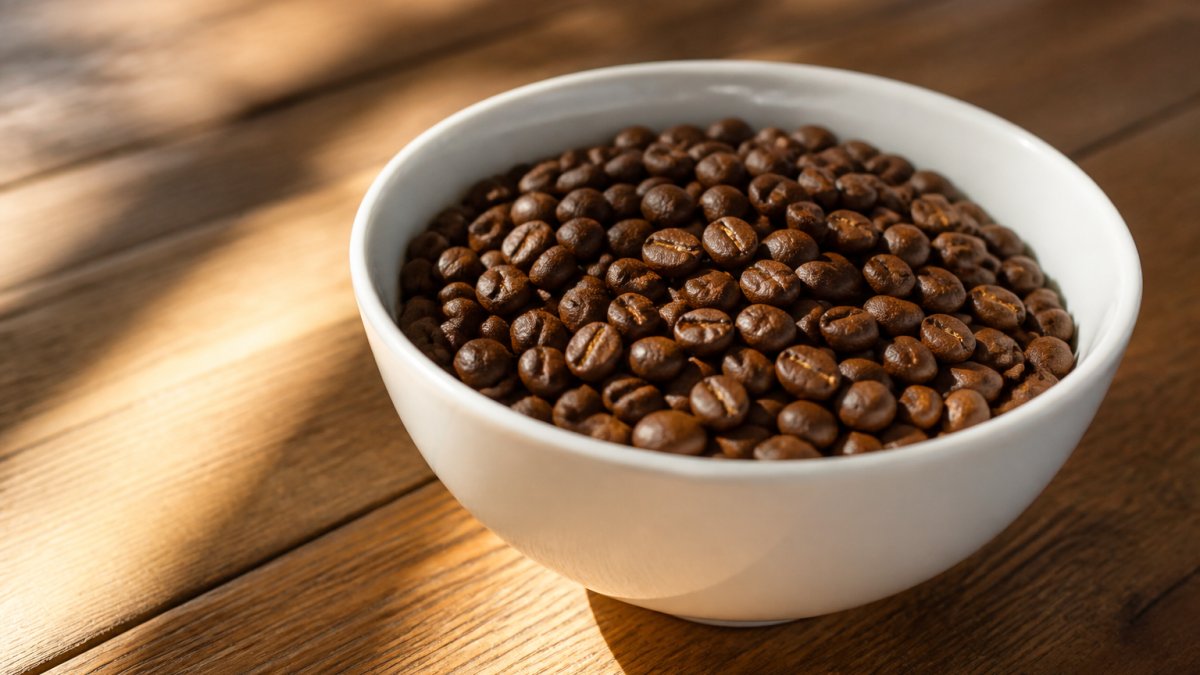
Smooth morning coffee depends on three things: roast level, bean origin, and freshness. Medium roasts hit the sweet spot, balanced flavor without sharp edges or burnt notes.
Our Breakfast Blend ($19.99) is a medium roast of South American coffees, forgiving, approachable, and ideal for building a morning routine around quality coffee.

The House Blend ($20.99) combines Central and South American coffees with nutty chocolate, mild citrus, and a bright finish. Its medium body works across drip, pour-over, and French press.

The Brazil Santos ($20.99) is a medium roast from Fazenda Santa Barbara, grown at 750-1050 meters elevation.

The Peru ($20.99) offers salted caramel, silky sweetness, and citrus notes.
The Gourmet Donut Shop ($20.99) is a light-medium roast with cocoa, caramel, toffee, and mild fruit notes, stronger than breakfast blends but still smooth.
| Coffee | Roast | Profile | Best For |
|---|---|---|---|
| Breakfast Blend | Medium | Smooth, approachable | Morning routine, all methods |
| House Blend | Medium | Nutty, chocolate, citrus | Consistency seekers |
| Brazil Santos | Medium | Cocoa, elegant | Single-origin introduction |
| Peru | Medium | Caramel, sweet, citrus | Exploring origins |
| Gourmet Donut Shop | Light-Medium | Caramel, toffee, fruit | More flavor, still smooth |
How to Make Coffee Less Bitter at Home
Bitterness comes from over-extraction, when water spends too much time pulling compounds from the grounds. Understanding this principle solves most bad-tasting cups.
Choose the Right Roast Level
Medium roasts balance acidity and bitterness for smooth morning coffee. Light roasts are more acidic; dark roasts develop bitter compounds. Medium roasts are forgiving across different brewing methods and water temperatures.
Control Water Temperature and Brew Time
Water temperature between 195-205°F is ideal. Brew times vary: drip 4-6 minutes, French press 4 minutes, pour-over 2-3 minutes. If coffee tastes bitter, reduce brew time. If weak or sour, increase brew time or use hotter water.
Best Coffee-to-Water Ratio for a Smooth Cup
The standard ratio is 1:16 (one part coffee to sixteen parts water by weight): 0.5 ounces coffee to 8 ounces water. This produces a balanced, smooth cup for most people.
Standard Ratio and How to Measure
Use a kitchen scale for accuracy: 0.5 ounces coffee per 8 ounces water. Without a scale, use one scoop (10 grams) per 6 ounces water. Consistency matters more than perfection.
Adjusting for Your Taste Preference
If coffee tastes weak, increase to 1:15. If too strong or bitter, decrease to 1:17. Start at 1:16 and adjust based on taste.
Coffee Grind Size for Smooth Flavor
Grind size controls extraction speed. Finer grinds extract faster; coarser grinds extract slower. Match grind size to your brewing method to avoid bitterness or weakness.
Grind Size Guide by Brewing Method
Drip: medium-fine grind. Pour-over: medium grind. French press: coarse grind (prevents over-extraction during 4-minute steep). Moka pot: medium-fine grind. Start with medium and adjust: finer if weak, coarser if bitter.
Grinding Fresh Beans for Best Results
Grind beans right before brewing; ground coffee loses flavor within minutes. Use a burr grinder for consistent grind size. Pre-ground coffee should be used within days of opening.
How to Prepare Coffee the Night Before
Cold brew is ideal for preparing smooth morning coffee the night before, nearly impossible to over-extract with cold water.
Cold Brew Method for Overnight Brewing
Use a 1:4 coffee-to-water ratio. Combine coarsely ground coffee and cold water in a jar, cover, and refrigerate 12-24 hours. Strain through a fine mesh filter. Mix one part concentrate with one part water or milk to drink. Keeps fresh for two weeks.
Storage and Reheating Tips
Store concentrate in an airtight container for two weeks. To reheat, add hot water to concentrate in a mug or heat gently on the stovetop, don't boil, as boiling brings out bitter compounds.
Brewing Methods That Deliver Smooth Results
Different brewing methods extract coffee differently. Some are forgiving. Some require precision. Understanding the differences helps you choose what fits your morning routine.
Drip Coffee Makers and Pour-Over
Drip machines are forgiving and maintain temperature automatically; use medium-fine grind and 1:16 ratio. Pour-over gives more control over pour speed and brew time; use medium grind for 2-3 minutes. Both produce smooth coffee with medium roast beans and proper water temperature.
French Press and Moka Pot Techniques
French press steeps coffee in hot water for 4 minutes, then you press a metal filter down to separate grounds from liquid. Use coarse grind to avoid sediment in your cup. The result is smooth and full-bodied.
Moka pot brews using steam pressure. Water in the bottom chamber heats, steam pressure forces it up through grounds, and brewed coffee collects in the top chamber. Use medium-fine grind. The result tastes strong and smooth.
Both methods require a bit more attention than drip. But both produce excellent smooth coffee when done right. French press is better for larger quantities. Moka pot is better for single servings.
Single-Serve Capsules for Convenience
Iron Rooster's 12 Pack Single Serve Coffee Capsules ($16.99) and 60 Pack Single Serve Coffee Capsules ($61.99) use our Original Roast blend. Each capsule is sealed with no oxygen inside, keeping the coffee fresh until you brew it.
The improved filter design prevents coffee from shooting through the middle without proper extraction. You get a smooth, rich cup without the weak or over-extracted problems that plague some single-serve systems.
Single-serve capsules sacrifice some control, you can't adjust grind size or brew time, but they're convenient. Brew time is consistent. Temperature is consistent. The cup is predictable.
| Method | Grind Size | Brew Time | Best For | Smoothness |
|---|---|---|---|---|
| Drip | Medium-Fine | 4-6 min | Hands-off mornings | High |
| Pour-Over | Medium | 2-3 min | Control seekers | High |
| French Press | Coarse | 4 min | Full-bodied preference | High |
| Moka Pot | Medium-Fine | 5-10 min | Strong coffee lovers | Medium-High |
| Single-Serve | N/A | 1-2 min | Maximum convenience | Medium-High |
Water Quality and Freshness Matter
The water you use makes a real difference. Tap water with high mineral content (hard water) can muddy the flavor. Tap water with chlorine tastes off. Filtered water lets the coffee flavor shine through.
Using Filtered Water for Better Taste
If your tap water tastes fine to drink, it's probably fine for coffee. If it tastes chlorinated or mineral-heavy, filter it. A basic pitcher filter (like Brita) costs under $30 and improves taste noticeably.
Water temperature matters too. Cold filtered water that you heat to 195-205°F produces the smoothest cup. Boiling water (212°F) over-extracts and tastes bitter. Let boiled water cool for 30 seconds before pouring.
The mineral content in water affects extraction. Distilled water under-extracts (tastes weak). Tap water with moderate minerals extracts well. Very hard water can taste chalky. If you're unsure, filtered tap water is the safest choice.
Roast Date and Bean Storage
Coffee roasted three months ago tastes noticeably different from coffee roasted last week. Roast date matters more than expiration date. Check the bag before buying.
Store whole beans in an airtight container away from light, heat, and strong odors. A sealed bag with a one-way valve works fine. Avoid the freezer, thawing and refreezing introduces moisture. Room temperature in a dark cupboard is ideal.
Ground coffee stales faster than whole beans. If you buy pre-ground, use it within days. Whole beans stay fresh for 2-3 weeks after roasting if stored properly.
Troubleshooting Weak, Sour, or Bitter Coffee
Most bad coffee falls into one of three categories. Identifying which one helps you fix it quickly.
Identifying the Problem
Weak coffee tastes watery and lacks flavor. It usually means under-extraction, the water didn't spend enough time with the grounds. Causes include: too coarse grind, too little coffee, water too cool, or brew time too short.
Sour coffee has a sharp, acidic bite. It also means under-extraction. Light roasts are naturally more acidic, but sour usually means the same extraction problems as weak coffee.
Bitter coffee tastes harsh and unpleasant. It means over-extraction, the water spent too much time pulling compounds from the grounds. Causes include: too fine grind, too much coffee, water too hot, or brew time too long.
Taste your coffee and identify which problem you have. Then make one small change and taste again.
Quick Fixes to Improve Your Cup
For weak or sour coffee:
- Add more coffee (increase the ratio from 1:16 to 1:15)
- Use hotter water (aim for 200-205°F)
- Brew longer (add 30 seconds to 1 minute)
- Use a finer grind
Start with adjusting the ratio. It's the easiest change.
For bitter coffee:
- Use less coffee (decrease the ratio from 1:16 to 1:17)
- Use cooler water (aim for 195-200°F)
- Brew shorter (reduce brew time by 30 seconds to 1 minute)
- Use a coarser grind
Start with reducing brew time. It's the quickest fix.
If you've tried these adjustments and still get bad coffee, the problem might be your beans. Stale coffee tastes flat and bitter no matter what you do. Switch to fresher beans and try again.
Getting smooth morning coffee at home comes down to understanding how coffee extraction works and making small adjustments based on what you taste. Start with quality, freshly roasted beans from Iron Rooster Coffee Co., use the 1:16 coffee-to-water ratio, and brew with water between 195-205°F. These three things solve most problems. From there, adjust your grind size and brew time based on whether your cup tastes weak, sour, or bitter. The best coffee routine is the one you actually stick with, and that means choosing beans and a brewing method that fit your schedule.
Frequently Asked Questions
What makes smooth morning coffee different from regular coffee?
Smooth morning coffee uses medium roast beans, lower acidity levels, and proper brewing techniques to eliminate bitterness and harshness. Medium roasts like Breakfast Blend and House Blend are specifically selected for their balanced flavor profiles with tasting notes of chocolate, caramel, and subtle citrus rather than sharp, acidic notes. The smoothness comes from bean origin, roast level, grind consistency, and water temperature control during brewing.
How do I know the best coffee-to-water ratio for smooth flavor?
The standard ratio is 1 part coffee to 16 parts water by weight. For example, use 0.625 ounces (about 18 grams) of coffee per 10 fluid ounces of water. Start with this ratio, then adjust slightly: use a bit more coffee if your cup tastes weak, or less if it tastes bitter. Most people find this baseline creates a smooth, balanced cup without over-extraction that causes bitterness.
What coffee grind size prevents bitterness and sourness?
A medium grind works best for most smooth morning coffee brewing methods. It's similar to coarse sand and allows water to extract flavor evenly without pulling out harsh compounds. Too fine a grind (like powder) over-extracts and creates bitterness; too coarse a grind under-extracts and tastes sour or weak. For drip makers and pour-overs, aim for medium. For French press, use medium-coarse. For espresso or very fine filters, use fine.
Can I prepare coffee the night before and reheat it?
Yes. Cold brew is the best overnight method: combine coarse grounds and cold water in a jar, let sit 12-16 hours, then strain and refrigerate. Reheat gently in the morning without boiling. Alternatively, brew hot coffee in the evening, let it cool completely, store in an airtight container in the refrigerator, and reheat slowly the next morning. Avoid microwaving at high power, which can scald the coffee and increase bitterness. Low-heat reheating preserves the smooth flavor you worked to achieve.