

Table of Contents
- What Makes the Best Coffee Delivery Service
- How to Choose a Coffee Subscription That Fits Your Needs
- Coffee Subscription Frequency and Flexibility Options
- Best Coffee Subscription Boxes for Different Tastes
- Freshness and Roast Profiles Explained
- Cost Breakdown: What You're Paying For
- Subscription Management and Cancellation
- Frequently Asked Questions
Last Updated: September 19, 2026
What Makes the Best Coffee Delivery Service
A great coffee subscription balances three things: freshness, flexibility, and transparent pricing. At Iron Rooster Coffee Co., we've found that customers return for fresh beans, controllable subscription terms, and clarity on why specialty coffee costs more.
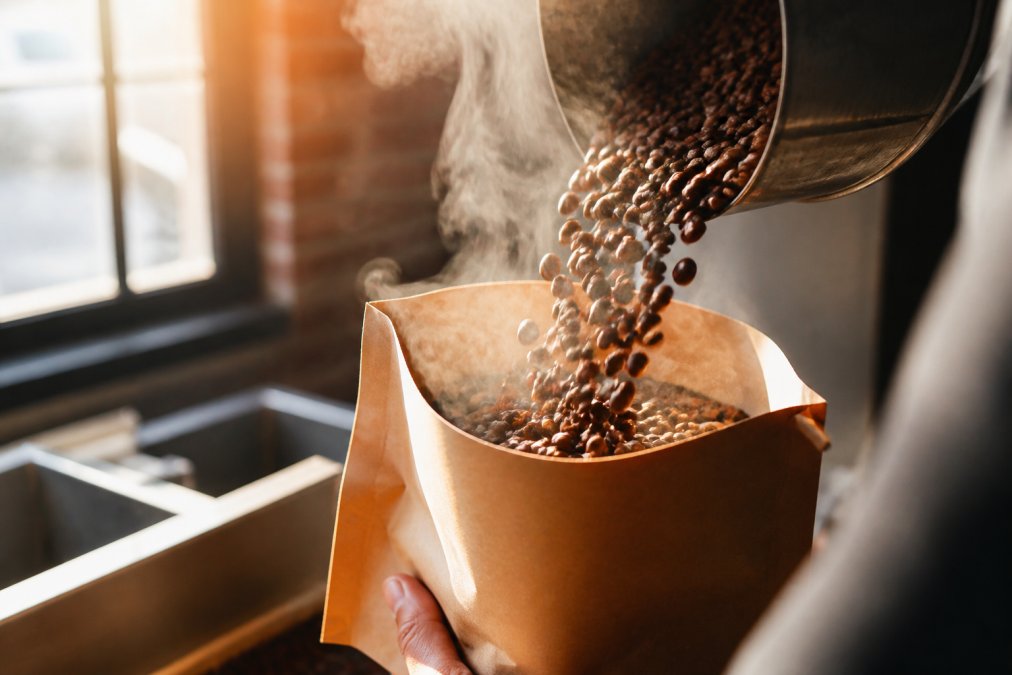
Freshness is paramount. Beans peak within 2-3 weeks of roasting, then decline. The best services roast to order or ship within days. Every bag should display the roast date, not just a vague "fresh roasted" claim.
Flexibility matters. Life changes, schedules shift, preferences evolve. The best services let you pause, skip, or adjust frequency without penalties, they serve you, not their billing cycle.
Understand what you're paying for. Premium specialty coffee costs more due to single-origin sourcing, direct trade relationships, small-batch roasting, and quality control. A $25 bag versus $8 reflects different coffee, not greed.
How to Choose a Coffee Subscription That Fits Your Needs
Identify your brewing method first. French press users often prefer coarser grinds and fuller-bodied beans. Pour-over drinkers might prefer medium roasts with clean profiles. Espresso drinkers typically need consistency and specific grind sizes.
Consider your consumption rate honestly. Many overestimate weekly intake. Start with a smaller first order to establish your baseline, then adjust frequency. Most services allow this after the first shipment.
Taste preference matters most. Some chase single-origin coffees and terroir; others want consistent blends. The wrong service is one that doesn't match your preference. If you love dark roasts and a service specializes in light roasts, reputation doesn't matter.
Check subscription terms before committing. Can you pause, skip, or cancel easily? Services that make this simple are confident in their product. Those that bury cancellation links bet on friction, not quality.
Coffee Subscription Frequency and Flexibility Options
Most people choose monthly subscriptions, which match typical consumption and minimize storage. Weekly suits heavy drinkers or offices. Bi-weekly works for moderate consumption.

Real flexibility means adjusting delivery dates, skipping months without penalty, and changing selections without being locked into the same choice until the next billing cycle.
Iron Rooster Coffee Co. lets you decide when coffee arrives, what you receive, and whether to pause. Life isn't a fixed schedule, and neither should your subscription be.
The best approach uses automatic shipments on your schedule with easy pause or skip options. This removes the friction of remembering to reorder while keeping you in control.
| Frequency | Best For | Typical Volume Per Shipment |
|---|---|---|
| Weekly | Heavy drinkers, offices | 1-2 lbs |
| Bi-weekly | Moderate-to-heavy consumption | 1.5-2 lbs |
| Monthly | Most home coffee drinkers | 1-2 lbs |
| Custom/Flexible | Variable schedules, experimentation | Varies |
Best Coffee Subscription Boxes for Different Tastes
Sample Packs for Exploration
Sample packs let you explore without committing to full bags. Iron Rooster's Best Sellers Sample Pack includes six 2-ounce varieties spanning dark roasts, medium roasts, and single origins from Peru, Mexico, and Bali.
Sample packs deliver discovery efficiently at $22.99, letting you experience roast profiles and origins without commitment or waste.
For those interested in flavored varieties, the Flavored Coffees Sample Pack ($22.99) includes French Vanilla, Hazelnut, Cinnabun, Caramel, Mocha, and Cinnamon Hazelnut, all medium roasts infused with natural flavoring oils while still warm. These start as specialty-grade single-origin beans, which matters. Cheap flavored coffee masks low-quality beans with heavy flavoring. Quality flavored coffee enhances good beans.
Single-Origin and Specialty Options
Once you know your taste direction, single-origin coffees let you explore specific regions and processing methods. Iron Rooster's Single Origin Favorites Sample Pack ($22.99) includes Brazil Santos (medium roast with cocoa notes), Colombia (medium with dried orange and berry), Costa Rica (medium with apple and honey), Ethiopia (medium-light with fruity caramel), Honduras (medium-dark with caramel and spice), and Tanzania (medium-light with pear and floral notes).
Single-origin coffees teach you how terroir, the region, altitude, soil type, and processing method, shapes flavor. Brazil's volcanic loam produces different characteristics than Colombia's volcanic soil. Ethiopian natural-process beans taste different from washed-process coffees. This isn't academic. It changes what's in your cup.
The specialty-grade designation matters. It means the beans met rigorous quality standards: no defects, proper moisture content, consistent size, and scored 80 points or higher on the Specialty Coffee Association scale. This is the difference between "coffee" and "specialty coffee." Most supermarket coffee scores in the 70s or below.
12 Pack Single Serve Coffee Capsules →
Convenience-Focused Choices
Not everyone has time for pour-overs or espresso machines. Iron Rooster offers single-serve capsule options for those who prioritize speed. The 12 Pack Single Serve Coffee Capsules ($16.99) contains the Original Roast signature blend in sealed capsules with no oxygen inside, keeping beans fresh. An improved filter design ensures proper saturation without slowing brew time.

For larger households or offices, the 60 Pack Single Serve Coffee Capsules ($61.99) delivers the same quality at a lower per-unit cost. Single-serve doesn't mean sacrificing quality, it means choosing convenience without settling for mediocre coffee.

The Instant Coffee ($19.99) provides 30 servings in a resealable pouch. This works for travel, quick mornings, or anyone who doesn't want to manage brewing equipment.
For those seeking functional coffee, Iron Rooster's Coffee with Mushrooms Medium Roast ($19.99) infuses specialty-grade beans with Lion's Mane, Cordyceps, and Reishi mushrooms. This isn't a gimmick. The Instant Coffee with Mushroom is blended with Lion’s Mane, traditionally used for its association with clarity and focus; Cordyceps, long valued for supporting stamina and vitality; and Reishi, appreciated for its calming and grounding qualities. The coffee tastes smooth and balanced, not medicinal.
Freshness and Roast Profiles Explained
Freshness is the single biggest factor separating good coffee from great coffee. Coffee is freshest 3-10 days after roasting. At day 14, it's still good. By day 30, it's noticeably flatter. By day 60, it tastes stale. This is why roast dates matter more than expiration dates.
Check the roast date on every bag. If a service won't show you when beans were roasted, that's a sign they're not fresh. They're hiding the timeline. Reputable roasters stamp roast dates prominently because freshness is their competitive advantage.
Roast profiles, light, medium, and dark, change the flavor profile significantly. Light roasts preserve the bean's origin characteristics. You taste the terroir. Acidity is brighter. Flavor is more complex. Medium roasts balance origin character with roasted flavors. They're smoother and less acidic than light roasts. Dark roasts emphasize roasted flavors over origin. You get chocolate, molasses, and caramel notes. Acidity drops further.
The common misconception is that dark roast has more caffeine. It doesn't. Light and dark roasts contain nearly identical caffeine levels. The difference is flavor and body. If you've had bad experiences with acidic or bitter coffee, the roast profile matters. A smooth medium roast from a quality roaster rarely produces that harsh taste. Low-quality beans roasted dark taste burnt, not smooth.
Iron Rooster's roast profiles are labeled clearly on every product. The Breakfast Blend is medium roast, smooth and approachable. The 6Bean Blend is dark roast, bold and full-bodied. The Ethiopia Single Origin is medium-light, bright and fruity. This clarity lets you choose based on your actual preference, not guessing.
Cost Breakdown: What You're Paying For
A $25-per-pound specialty coffee costs significantly more than $8-per-pound commodity coffee. Understanding why prevents buyer's remorse and helps you evaluate value honestly.
Direct trade sourcing costs money. Instead of buying through brokers, specialty roasters work directly with growers or farmer cooperatives. This pays growers better prices, ensuring quality incentives, and creates traceability. You know where your coffee came from. Commodity coffee passes through multiple intermediaries, each taking margin.
Small-batch roasting costs more than industrial roasting. A roaster running 5-pound batches has higher per-unit overhead than one running 500-pound batches. But small batches allow precise temperature control, which creates better flavor and consistency. Industrial roasting prioritizes volume over refinement.
Quality control adds cost.
Subscription Management and Cancellation
The true test of a coffee service's confidence is how easy it makes to pause, skip, or cancel. Iron Rooster treats this as a feature, not a friction point. You control your subscription. You're not locked into anything.
Frequently Asked Questions
How do coffee delivery services ensure beans stay fresh?
The best coffee delivery services roast beans to order and ship within days, not weeks. Oxygen-sealed packaging prevents oxidation that dulls flavor. Specialty roasters like Iron Rooster use airtight capsules and resealable pouches to lock in freshness from roaster to your cup. Whole beans stay fresher longer than pre-ground, and most services ship via expedited delivery to minimize time in transit.
What should I look for when choosing a coffee subscription?
Evaluate roast profile (light, medium, dark), bean origin (single-origin vs. blends), subscription flexibility, and cost per cup. Consider whether you want curated selections or the ability to choose. Check if the service offers sample packs to explore flavors before committing. Verify shipping speed and packaging quality, beans should arrive within 1-2 weeks of roasting for optimal freshness.
Is a coffee subscription worth the cost compared to grocery store beans?
Specialty coffee subscriptions cost more upfront but deliver superior flavor, freshness, and origin transparency. Grocery store beans are often months old by purchase time, resulting in flat, bitter cups. Subscription services provide detailed tasting notes, processing methods, and grower information, details that justify premium pricing. For coffee enthusiasts seeking smooth, complex flavors, the quality difference makes subscriptions worthwhile.
Can I pause or cancel a coffee subscription anytime?
Flexibility varies by service. Many offer pause options for 1-3 months without cancellation. Look for services without long-term contracts or early termination fees. Before subscribing, confirm the cancellation policy in writing. Some services allow you to skip shipments or adjust frequency monthly, giving you control without the commitment of traditional subscriptions.