

Table of Contents
- Understanding Coffee Acidity and How to Brew Non-Acidic Coffee
- Cold Brew vs Iced Coffee: Flavor Profile and Acidity Differences
- Select the Best Low-Acid Coffee Beans for Smooth Brewing
- How to Reduce Coffee Acidity with Baking Soda and Other Additives
- Water Chemistry and pH Level: The Overlooked Factor
- Grinding and Brewing Time: Step-by-Step Instructions
- Equipment Hacks: Filters, Immersion, and Extraction Methods
- Common Mistakes That Increase Coffee Acidity
- Frequently Asked Questions
Last Updated: August 31, 2026
Understanding Coffee Acidity and How to Brew Non-Acidic Coffee
Coffee acidity comes from organic acids like chlorogenic acid that develop during bean growth and intensify during roasting. These compounds dissolve into your cup during extraction. Understanding what creates acidity is the first step toward brewing a smoother cup that won't trigger digestive discomfort or leave a sharp, sour taste.
What Makes Coffee Acidic
Coffee acidity refers to organic acids like chlorogenic acid, quinic acid, and citric acid that develop during the bean's growth and intensify during roasting. Light roasts contain more chlorogenic acid because the beans haven't been exposed to heat long enough to break down these compounds (peer-reviewed research). Dark roasts have less chlorogenic acid remaining, though they develop different bitter compounds. Bean origin also matters, beans from certain regions naturally contain higher acid levels than others.
Why Acidity Matters for Your Morning Routine
For people with acid reflux, GERD, or sensitive stomachs, coffee acidity can trigger real physical discomfort. The good news: you don't have to give up coffee. By choosing the right beans, using specific brewing methods, and adjusting your water and grind size, you can enjoy your morning ritual without the downsides.
Cold Brew vs Iced Coffee: Flavor Profile and Acidity Differences
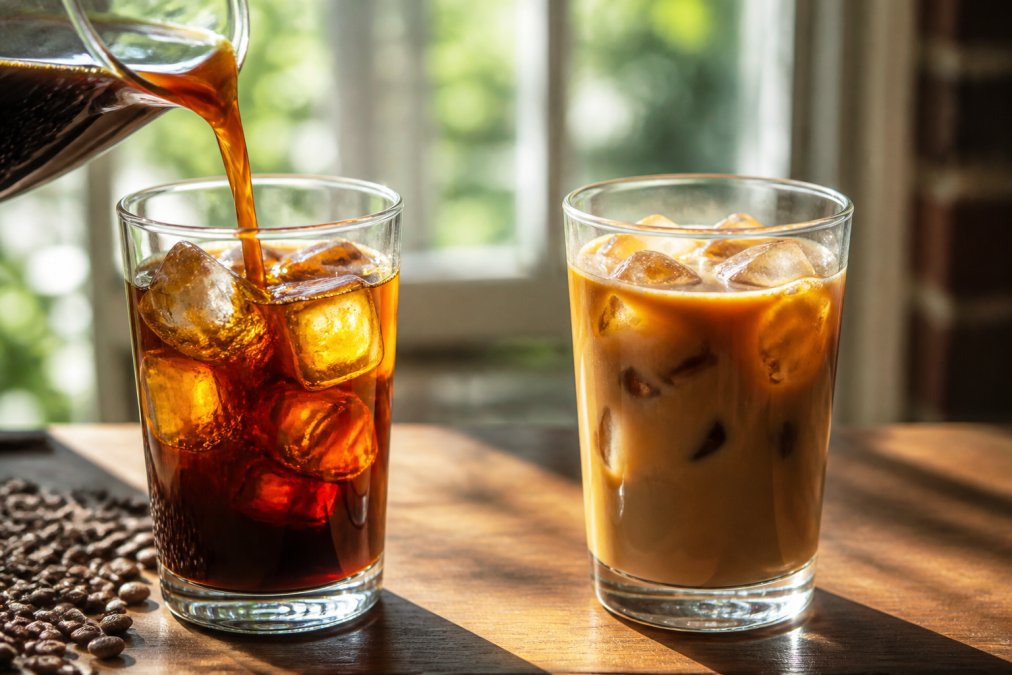
Cold brew uses an immersion method where grounds steep in cold water for 12-24 hours, extracting fewer acids and producing a naturally smoother, less acidic concentrate. Iced coffee is hot-brewed coffee that's cooled down, containing the same acid levels as hot coffee.
Cold brew's extended steeping time with cold water extracts less chlorogenic acid than hot water would. You get the coffee flavor and caffeine without pulling as many harsh compounds into your cup. The tradeoff is time and planning, cold brew requires overnight steeping, while iced coffee offers flexibility but doesn't reduce acidity.
Select the Best Low-Acid Coffee Beans for Smooth Brewing
Bean origin has a massive impact on acidity. Some regions naturally produce beans with lower acid profiles, while others are known for bright, high-acid characteristics.
Single-Origin Beans: Uganda and Sumatra Origins
Ugandan coffees, particularly those from the Sipi Falls region, naturally produce beans with mild acidity and a heavier body. The altitude and soil composition create conditions for smooth, chocolatey beans rather than bright and sharp ones. Coffee origin profiles and flavor characteristics show that Ugandan beans consistently score lower on acidity scales compared to East African neighbors like Kenya or Ethiopia.
Sumatran coffees, processed using the wet-hulling method, also deliver lower acidity. This processing technique creates a unique flavor profile with a syrupy body and earthy undertones. Sumatran beans tend toward dark chocolate and dried fruit notes rather than bright citrus.
Iron Rooster Coffee Co. sources both Uganda and Sumatra single-origin beans specifically for their smooth, low-acid profiles. The Uganda offering brings mild acidity with floral and chocolate notes, while the Sumatra delivers a medium-acid body with that distinctive syrupy mouthfeel.


Dark Roast vs Light Roast: What the Research Shows
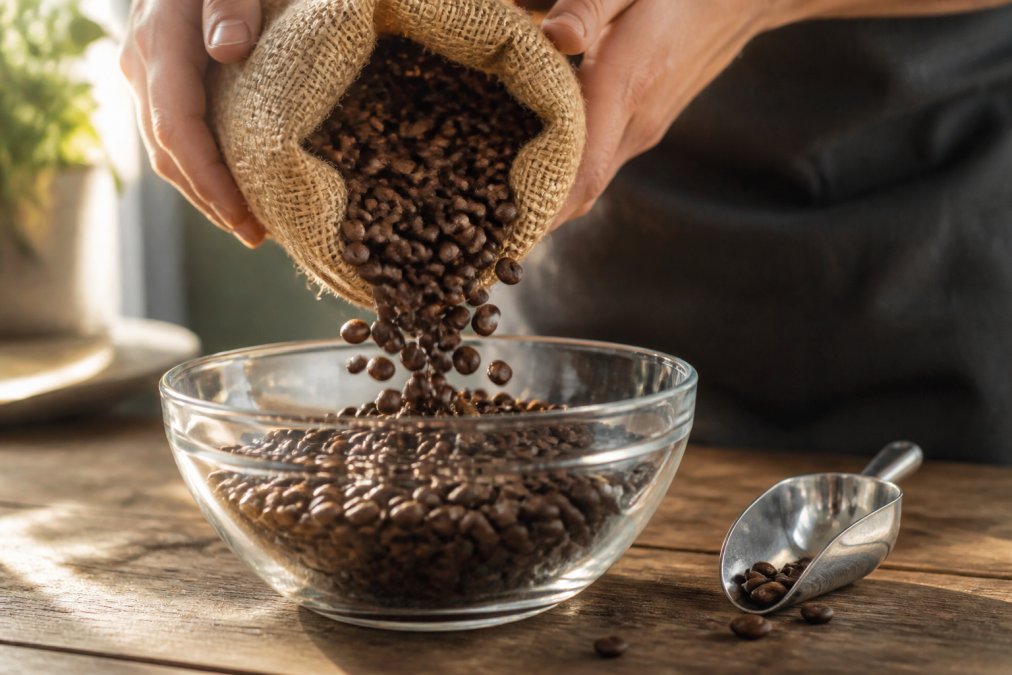
Darker roasts have less chlorogenic acid because heat breaks down this compound during roasting. However, dark roasts develop bitter compounds that some people find equally harsh. The ideal approach depends on your individual sensitivity. If you're sensitive to acidity specifically, a dark roast helps. If bitterness bothers you more, a medium roast often strikes the better balance.
How to Reduce Coffee Acidity with Baking Soda and Other Additives
If you've already brewed your coffee and it's too acidic, additives can help neutralize the pH. Baking soda is the most common approach, it's alkaline and neutralizes acid directly. Add a small pinch (roughly 1/8 teaspoon per 8 ounces) to your cup and stir. You'll see a slight fizz as the baking soda reacts with the acid.
Milk or cream also reduces perceived acidity by coating your mouth and creating a buffer. The fat and proteins in dairy interact with the acids, making them feel less sharp.
Eggshell powder is another traditional method. The calcium carbonate in eggshells neutralizes acid similarly to baking soda.
The limitation of all these methods is that they're reactive, you're fixing the problem after it exists. They work, but they're not as effective as preventing high acidity through bean selection and brewing technique.
Water Chemistry and pH Level: The Overlooked Factor
Water chemistry is one of the most powerful levers for controlling acidity. The pH level and mineral content of your water directly affect extraction and how acidic your final cup tastes.
Water with higher alkalinity (more minerals, higher pH) extracts less acid from the grounds. Soft water or distilled water extracts more readily, pulling more acids into your cup. If you're using distilled or filtered water that removes minerals, you're making your coffee more acidic without realizing it.
The ideal water for low-acid coffee has a pH around 7-8 and moderate mineral content. If your tap water is very soft, consider adding a pinch of mineral-rich salt or using a water filter that adds minerals back in. A simple test: brew the same coffee with bottled mineral water and compare it to your tap water.
Grinding and Brewing Time: Step-by-Step Instructions
The mechanics of grinding and brewing time directly control extraction. Finer grinds and longer brew times extract more acids. Coarser grinds and shorter brew times extract less.
Step 1: Choose Your Grind Size
For low-acid coffee, aim for a coarser grind than standard brewing. Coarser grounds have less surface area exposed to water, which means slower, gentler extraction. Think of the texture of sea salt rather than fine sand.
A coarser grind is essential for cold brew. For hot brewing methods like pour-over, a medium-coarse grind works better than fine. Invest in a burr grinder, not a blade grinder, to create uniform particle size and consistent extraction.
Step 2: Control Brewing Temperature and Time
Hotter water extracts faster and pulls more acids. Keep the temperature between 195-200°F rather than boiling (212°F) (usda.gov). This slower extraction reduces the amount of chlorogenic acid that ends up in your cup.
Brewing time matters equally. A standard drip coffee maker runs for 4-6 minutes. A pour-over might take 3-4 minutes. For low-acid coffee, aim for the shorter end of these ranges. Cold brew uses cold water and long steeping, typically 12-24 hours.
Step 3: Use the Right Water-to-Coffee Ratio
A higher ratio of water to coffee dilutes the acids in your final cup. Instead of the standard 1:16 ratio, try 1:18 or 1:20. You'll get a lighter cup with noticeably lower acidity.
| Brewing Method | Grind Size | Temperature | Brew Time | Water Ratio |
|---|---|---|---|---|
| Pour-over | Medium-coarse | 195-200°F | 3-4 minutes | 1:18 |
| French press | Coarse | 195-200°F | 4 minutes | 1:17 |
| Drip machine | Medium-coarse | 195-200°F | 4-5 minutes | 1:18 |
| Cold brew | Coarse | Cold | 12-24 hours | 1:4 to 1:5 |
Equipment Hacks: Filters, Immersion, and Extraction Methods
Your brewing equipment influences acidity more than many people realize. Paper filters trap more oils and fine particles than metal filters, reducing acidity and bitterness. Metal filters let more oils through, meaning more flavor but also more potential for acidity. Immersion methods (cold brew, French press) extract differently than percolation methods (pour-over, drip), offering slower and more controlled extraction.
One equipment hack that works: use a finer paper filter or double-filter your coffee. This reduces acidity noticeably, though it also removes some flavor complexity.
Common Mistakes That Increase Coffee Acidity
Using water that's too hot. Boiling water (212°F) extracts aggressively and pulls more acids into your cup. Keep it below 200°F.
Brewing too long. Over-extraction creates sourness. Set a timer and stick to it. Three to four minutes is usually enough.
Choosing beans without considering origin. Ethiopian and Kenyan coffees are known for brightness; Sumatran and Ugandan coffees are known for smoothness.
Grinding too fine. Fine grinds increase surface area and speed up extraction. For low-acid coffee, grind coarser.
Using distilled or heavily filtered water. Soft water extracts more acids. If your water is too pure, add minerals back in or use bottled mineral water.
Ignoring the coffee-to-water ratio. Too much coffee relative to water concentrates the acids in your final cup.
Storing beans incorrectly. Stale beans taste more acidic and bitter. Buy fresh beans and store them in an airtight container away from light and heat. Iron Rooster Coffee Co. ships freshly roasted beans with fast, automated fulfillment to ensure you're brewing with beans at peak freshness.
Brewing non-acidic coffee comes down to three controllable factors: bean selection, brewing method, and water chemistry. Start with a low-acid origin like Uganda or Sumatra, use a coarser grind, keep your water temperature below 200°F, and consider cold brew if you have the time. These changes compound, combine two or three and you'll notice a dramatic difference in how your coffee tastes and how your stomach feels. Iron Rooster Coffee Co.'s single-origin offerings are roasted fresh and shipped directly to you, removing the guesswork from bean selection and ensuring you're starting with the highest-quality foundation for a better morning cup.
Frequently Asked Questions
Does cold brew have less acid than hot coffee?
Yes. Cold brew uses immersion brewing in room-temperature or cold water for 12-24 hours, which extracts fewer acidic compounds than hot water extraction. The lower temperature slows the solubility of chlorogenic acid and other organic compounds that create titratable acidity. Cold brew can contain significantly less acid than drip coffee, making it ideal if you experience acid reflux or digestive sensitivity.
How to reduce coffee acidity with baking soda?
Add a small amount of baking soda per cup of brewed coffee. Stir well and let it settle for 30 seconds. Baking soda neutralizes titratable acidity by raising the pH level of your coffee. Start with a small amount and adjust to taste, as too much can create a bitter, soapy flavor. This method works best with already-brewed coffee and is a quick fix if you don't have low-acid beans on hand.
Which roast level is best for low-acid coffee?
Dark roasts typically have lower acidity than light roasts because the extended roasting process breaks down chlorogenic acid, the primary compound responsible for coffee's acidic bite. However, roast level alone doesn't determine acidity, bean origin matters more. Single-origin beans like Uganda and Sumatra naturally have medium to low acidity profiles regardless of roast. For the smoothest cup, consider beans from lower-altitude regions.
Is there such a thing as non-acidic coffee?
True non-acidic coffee doesn't exist, all coffee contains some level of acidity. However, you can reduce acidity significantly through brewing method, bean selection, and additives to reach levels that won't trigger acid reflux or digestive discomfort. Cold brew, dark roasts from specific origins, and alkaline water can lower acidity, making it suitable for most people with sensitivity.
This article was written using GrandRanker