

Table of Contents
- What Makes Coffee Artisan
- Why Artisan Coffee Costs More
- Benefits of Single-Origin Coffee
- How to Identify High-Quality Coffee Beans
- Artisan vs Commercial Coffee Roasting
- The Real Cost Per Cup: Is It Worth It?
- Freshness, Equipment, and Long-Term Value
- Conclusion
Last Updated: August 30, 2026
What Makes Coffee Artisan
Artisan coffee is a fundamentally different approach to sourcing, roasting, and preparing beans. The distinction comes down to intentionality at every stage of the supply chain, from selecting specific microlots to controlling roast profiles with precision that mass-market roasters don't pursue.
At Iron Rooster Coffee Co., we define artisan coffee as specialty-grade beans roasted in small batches by skilled roasters who adjust heat and timing to highlight each origin's unique characteristics. Artisan roasters typically work with single-origin beans, coffee from a specific farm, region, or harvest, rather than blending dozens of sources to create a uniform product.
The roasting process itself separates artisan from commercial. Artisan roasters monitor bean temperature, airflow, and roasting time to develop specific flavor profiles. A roaster might spend weeks dialing in a particular Ethiopian natural-process bean to highlight its fruity, caramel notes. Commercial roasters run automated systems optimized for speed and shelf stability, not sensory experience.

Artisan roasters often work directly with farmers or through fair-trade networks, paying premiums for beans that meet their quality standards. They track traceability, knowing exactly which farm, altitude, and processing method produced the beans. This transparency doesn't exist in commodity coffee.
Why Artisan Coffee Costs More
The price premium for artisan coffee reflects real, measurable costs that don't apply to commercial production.
Specialty-grade beans cost more at the source. Artisan roasters source from farms that practice selective hand-picking, careful fermentation, and meticulous drying. Fair-trade premiums and direct-trade relationships add another layer, as roasters pay farmers above commodity prices to ensure sustainable practices and fair wages.
Small-batch roasting is inherently less efficient than industrial automation. An artisan roaster handles 25-50 pound batches, stopping to adjust variables, cool beans, and prepare for the next roast. This hands-on approach requires skilled labor and prevents the economies of scale that drive commercial prices down.
Quality control creates waste. Artisan roasters reject beans that don't meet standards, a practice rare in commodity production. Green coffee beans are inspected for defects and sometimes hand-sorted. If a batch doesn't roast to specification, it gets discarded rather than shipped anyway.
Freshness requires faster turnover and smaller inventory. Artisan roasters roast to order or frequently in small quantities to ensure beans reach you within days of roasting. This approach requires more frequent roasting runs and less predictable production schedules than mass-market operations.
Packaging and fulfillment add cost when done with care. One-way valve bags, nitrogen flushing, and fast shipping infrastructure cost more than standard packaging. Many artisan roasters also include detailed tasting notes and brewing guides.
| Cost Factor | Artisan Coffee | Commercial Coffee |
|---|---|---|
| Bean sourcing | Fair-trade or direct-trade premium | Commodity pricing |
| Roasting | Small-batch, hands-on | Large-batch, automated |
| Quality control | Strict rejection standards | Minimal culling |
| Inventory | Fresh, frequent roasting | Bulk storage |
| Packaging | Specialty bags, nitrogen flush | Standard packaging |
Benefits of Single-Origin Coffee
Single-origin coffee, beans from a specific farm, region, or microlot, is where artisan roasting reveals its purpose. When a roaster works with a single origin, the flavor profile becomes the entire point.
Single-origin beans have distinct sensory characteristics tied to geography, altitude, and processing method. An Ethiopian natural-process coffee tastes fundamentally different from a Colombian washed coffee. Altitude affects how quickly beans develop sugars; volcanic soil imparts mineral notes; processing method shapes acidity and body. A roaster who understands these variables can roast specifically to highlight them.
A Kenya single-origin might deliver bright acidity with orange and floral notes. A Sumatra might offer syrupy body with dark chocolate and earthy undertones. The difference isn't subtle; it's deliberate.

Traceability matters for both quality and ethics. When you buy single-origin, you know which farm grew your beans and often which farmer. This transparency lets roasters ensure fair compensation and sustainable practices. You also get confidence that the beans are actually what the label claims.
Single-origin also drives exploration. Many coffee enthusiasts buy sample packs, like Iron Rooster's Single Origin Favorites Sample Pack, to taste how different origins express themselves.

How to Identify High-Quality Coffee Beans
Identifying high-quality artisan coffee beans requires attention to specific markers that signal care throughout the supply chain.
Start with the bag itself. Quality artisan coffee bags list: origin country and region, altitude, processing method, roast date, and often the farm or cooperative name. If a bag just says "Colombian coffee," that's a red flag. If it says "Huila region, 1,600-1,800 meters, fully washed, roasted August 28, 2026," that signals intentional sourcing and freshness.
Roast date matters more than you'd expect. Coffee is freshest within 2-4 weeks of roasting (peer-reviewed research). Beans roasted more than 6-8 weeks ago have lost volatile aromatics and flavor complexity (peer-reviewed research). Iron Rooster roasts to order and ships within days, ensuring beans arrive at peak freshness.
Visual inspection reveals processing quality. High-quality beans should have consistent color within their roast profile. Medium roasts should look uniform brown; dark roasts should be dark without appearing burnt or oily. Beans that look wildly different in color suggest inconsistent roasting or poor-quality green beans.
Aroma is your first sensory test. Open a bag of fresh artisan coffee and inhale. Quality beans smell complex; you should detect multiple notes (chocolate, fruit, floral, nutty, earthy). Stale beans smell flat or musty.
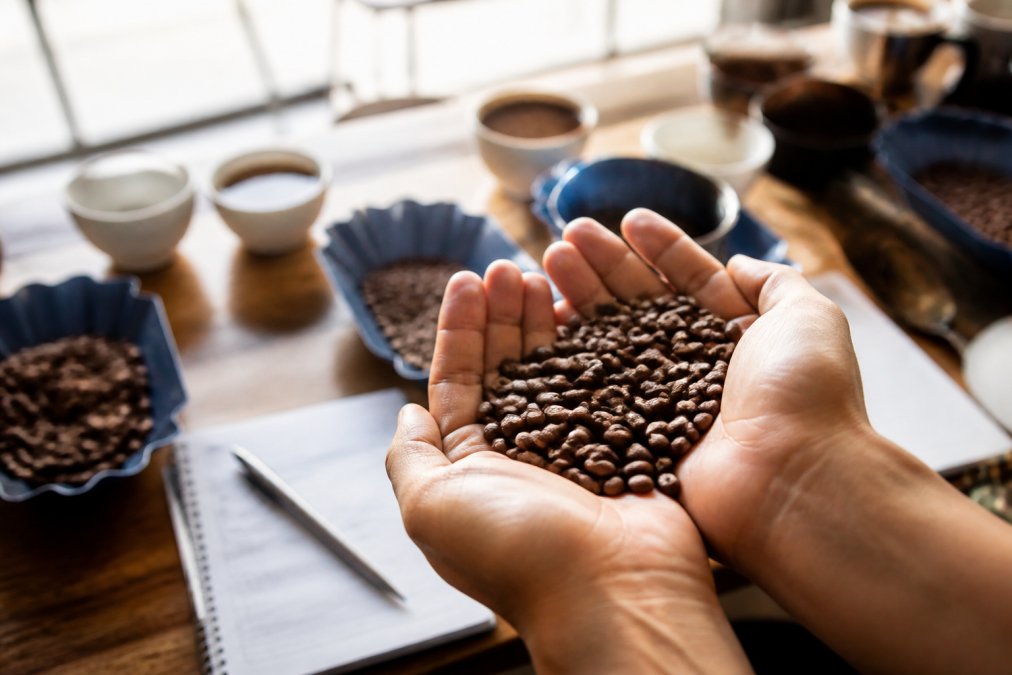
Brew a cup of artisan coffee and pay attention: Does it taste smooth or harsh? Balanced or one-dimensional? Do you taste the origin characteristics mentioned on the bag? Quality artisan coffee should taste clean and complex, not bitter or thin.
Artisan vs Commercial Coffee Roasting
The difference between artisan and commercial roasting comes down to philosophy and process.
Commercial roasting prioritizes consistency and volume. Automated systems process large batches on a fixed schedule. The goal is identical flavor every time. Commercial roasters often blend beans from multiple origins and adjust roasting parameters to compensate for variation. The result is stable, reliable, and intentionally one-dimensional.
Artisan roasting embraces variation as a feature. An artisan roaster receives a microlot of Ethiopian beans and roasts them to highlight what makes that specific lot unique. If the next harvest tastes slightly different, the roaster adjusts the roast curve to suit it. This requires skill, attention, and willingness to accept that each batch won't be identical.
An artisan roaster watches color development, listens for the first and second crack (audible pops as beans expand), and adjusts heat and airflow in real time. A single roast might require 20-30 manual adjustments. An artisan roaster rejects batches that don't meet standards, ensuring consistency in quality, not flavor.
Commercial roasters use large drum roasters (often 150+ pounds per batch) with automated heat control. Artisan roasters use smaller roasters (25-75 pounds per batch) that allow more precise control and faster adjustments.
The Real Cost Per Cup: Is It Worth It?
Whether artisan coffee is worth it depends on how you define value.
A typical bag of artisan coffee from Iron Rooster costs around $20.99 and contains roughly 12 ounces (about 340 grams). A standard pour-over or drip brew uses 15-18 grams of coffee, yielding 18-22 cups per bag (sca.coffee). That's roughly $0.95-$1.17 per cup of artisan coffee.
But the comparison shifts when you account for what you're actually consuming. A cup of grocery store coffee tastes like "coffee", caffeine delivery with minimal flavor complexity. A cup of artisan coffee tastes like a specific place: bright acidity and citrus from Kenya, dark chocolate and molasses from Bali, fruity and caramel from Ethiopia.
The real cost-benefit question becomes: Is the sensory experience worth more per cup? For someone who drinks coffee as a morning ritual, remote professionals, or coffee enthusiasts who prioritize their morning routine, the answer is often yes. For those who drink coffee as a utilitarian caffeine delivery mechanism, artisan coffee offers minimal additional value.
Many people buy artisan coffee occasionally rather than exclusively, capturing some sensory benefits without committing to premium pricing year-round.
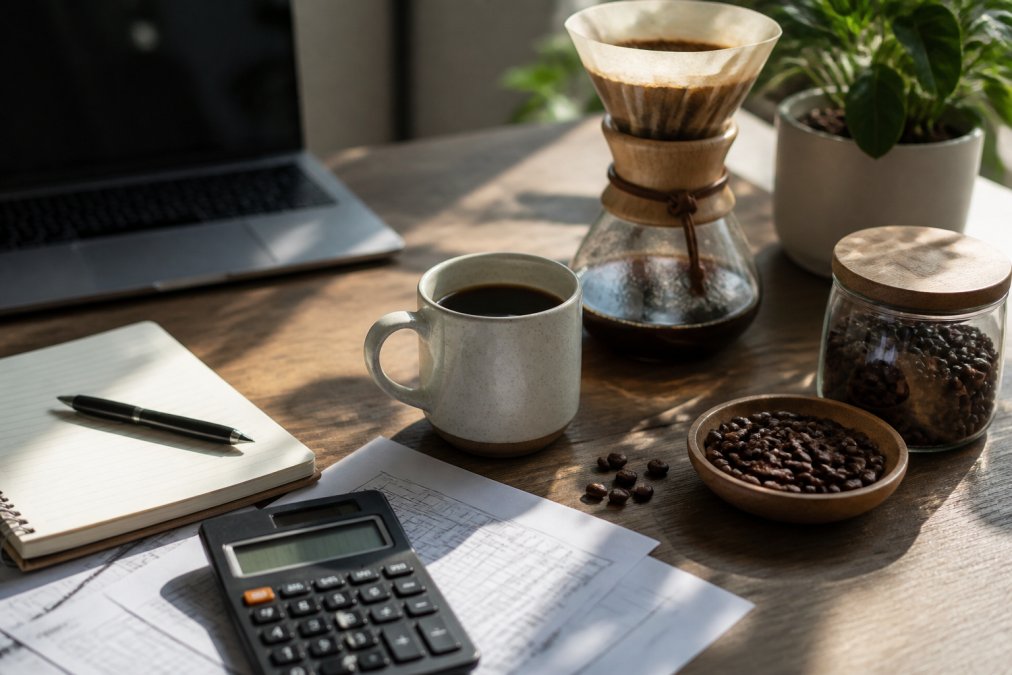
Consider also the equipment investment. Brewing artisan coffee well typically requires better equipment than basic drip machines. A pour-over setup, French press, or espresso machine costs $30-$300+. If you're already making this investment, artisan beans justify it.
Freshness, Equipment, and Long-Term Value
Freshness is where artisan coffee reveals its true advantage. Coffee begins losing flavor immediately after roasting. Volatile aromatics escape over days and weeks. This is why roast date matters so much. Iron Rooster roasts to order and ships within days, ensuring you receive beans at peak freshness.
Proper storage extends freshness dramatically. Coffee should be stored in an airtight container away from light, heat, and moisture. A sealed bag with a one-way valve is ideal. A cool, dark pantry is safer than the freezer.
Grinding matters significantly. Whole beans stay fresh longer than ground coffee. Grind immediately before brewing for maximum freshness.
Equipment quality affects how well you extract the flavors you paid for. A burr grinder produces consistent particle size, crucial for even extraction. A gooseneck kettle lets you control water temperature and pour rate. A scale ensures proper coffee-to-water ratios. These tools cost $30-$150 combined but make an enormous difference in final cup quality.
The long-term value calculation for artisan coffee includes equipment investment and consumption frequency. If you brew one cup daily using a pour-over setup, artisan coffee costs roughly $0.95-$1.17 per cup plus minimal equipment cost. Over a year, that's $346-$427 on coffee alone. For someone earning a professional income and prioritizing morning ritual quality, this is a reasonable discretionary expense.
Conclusion
Is artisan coffee worth it? The answer depends entirely on what you value and how you consume coffee. If you're a remote professional who starts each day with intentional, ritual-focused coffee consumption, artisan coffee delivers measurable value in sensory experience and morning quality. If you drink coffee as a utilitarian caffeine source, the premium doesn't justify itself.
The middle ground, buying artisan coffee occasionally rather than exclusively, often makes the most sense. A sample pack like Iron Rooster's Best Sellers Sample Pack lets you explore single-origin options without committing to full-bag purchases.
Quality matters in the details. Check roast dates, look for specific origin information, invest in basic brewing equipment, and store beans properly. These practices maximize the value of any coffee you buy.
Frequently Asked Questions
Q: How does artisan coffee differ from regular store-bought coffee?
A: Artisan coffee is roasted in small batches by specialty roasters who focus on bean quality and roast precision. Commercial coffee is mass-produced with less attention to origin, freshness, or roast profile. Artisan roasters typically source single-origin beans with documented traceability, control roasting curves carefully to develop flavor complexity, and roast to order for maximum freshness. Store-bought coffee often sits in warehouses for months, losing flavor and aroma.
Q: What are the benefits of single-origin coffee compared to blends?
A: Single-origin coffee lets you taste the unique characteristics of a specific region's climate, altitude, and processing methods. For example, Ethiopian Natural offers fruity and caramel notes from its natural processing, while Kenya delivers bright acidity with citrus and floral notes. Single-origin coffees provide sensory evaluation opportunities and traceability to specific growers, often supporting fair wages and ethical sourcing. Blends mask origin flavors and are typically used to standardize taste in commercial production.
Q: Is the taste difference between artisan and commercial coffee actually noticeable?
A: Yes, if you're comparing freshly roasted artisan beans to mass-market alternatives. Artisan coffee exhibits flavor complexity, acidity balance, and mouthfeel that develop through careful roasting. A blind taste test would reveal differences in sweetness, bitterness reduction, and aftertaste. However, the difference depends on your brewing method and palate sensitivity. Someone using a basic drip machine may notice less difference than someone using pour-over or espresso equipment.
Q: What is the cost per cup when brewing artisan coffee at home?
A: At $20.99 per pound, artisan coffee costs roughly $0.95-$1.17 per 8-ounce cup depending on brew ratio and brewing method. Commercial coffee from grocery stores averages $0.25-$0.40 per cup. The equipment investment (grinder, scale, brewer) ranges from $50-$300 initially, but spreads across hundreds of cups. When calculated over a year, the equipment ROI is strong if you brew daily. Sample packs like the Single Origin Favorites at $22.99 let you test multiple origins before committing.
If you're ready to explore what freshly roasted artisan coffee actually tastes like, Iron Rooster Coffee Co. delivers single-origin and blended options roasted to order and shipped within days. Start with a sample pack to discover your preferences without committing to full-pound bags. Every cup should taste intentional, that's what separates artisan coffee from the rest.
This article was written using GrandRanker