

Table of Contents
- Is Subscription Coffee Really Fresher?
- The Coffee Roast Date Importance You Should Know
- Degassing, Oxidation, and the Freshness Window
- How to Store Coffee Beans for Maximum Freshness
- Subscription Coffee vs Grocery Store Coffee
- Subscription Fatigue and Logistics Reality
- What Actually Matters When Choosing Subscription Coffee
- Conclusion
Last Updated: August 27, 2026
Is Subscription Coffee Really Fresher?
Yes, subscription coffee is genuinely fresher than grocery store coffee, but the advantage depends on roast dates, degassing science, and how quickly beans reach your door. Supermarket coffee has typically been roasted weeks or months ago, well past its peak flavor window. Subscription services like Iron Rooster Coffee Co. roast to order and ship within days, delivering beans during their optimal window.
But fresher doesn't automatically mean better. The freshness window for coffee is narrower than most realize, and understanding how to manage it determines whether a subscription delivers on its promise.
The Coffee Roast Date Importance You Should Know
The roast date is the single most important number on a bag of coffee. It tells you exactly when the beans were roasted and where they sit in their flavor lifecycle. Unlike shelf-stable products, coffee is perishable and changes daily after roasting.
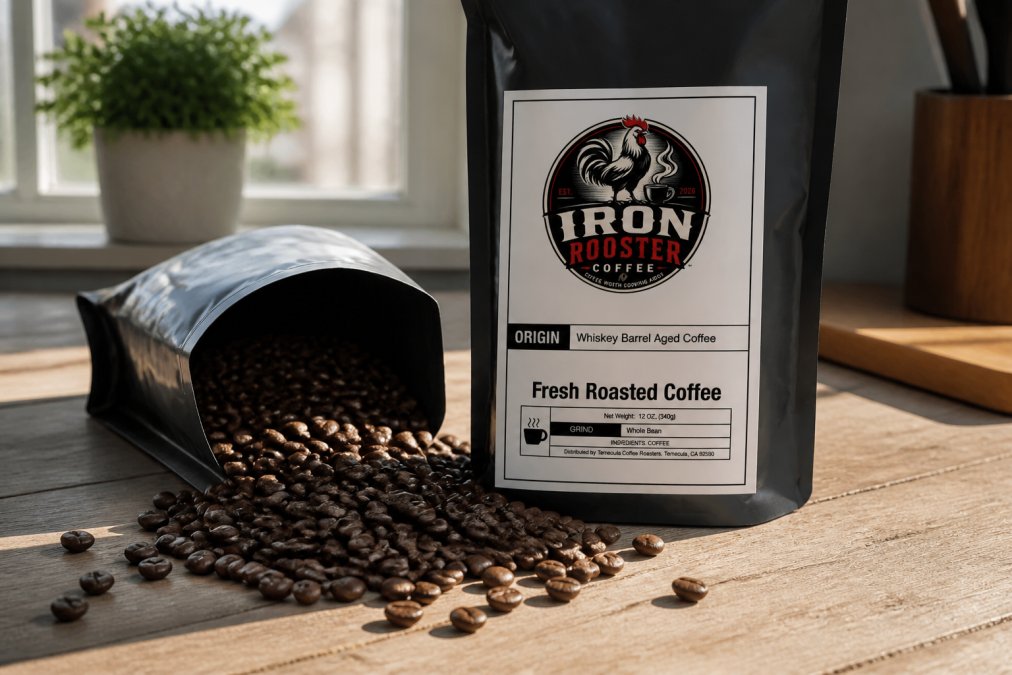
Most grocery store coffee doesn't print a roast date at all, just a "best by" date 12-18 months out. That absence hides the fact that beans were roasted months ago. Subscription roasters stamp the roast date prominently so you know exactly what you're getting.
Coffee begins degrading the moment it cools. Volatile flavor compounds escape, oils oxidize, and acids break down. A bean roasted 30 days ago tastes noticeably flatter and duller than one roasted 3 days ago.
Different roast levels have different peak windows. Light roasts reach their sweet spot around 5-7 days post-roast (peer-reviewed research). Medium roasts peak around 7-10 days. Dark roasts can hold quality longer, sometimes 10-14 days. Subscription services control this timeline by roasting in batches and shipping immediately, while grocery store bags may have sat in warehouses for months.
Degassing, Oxidation, and the Freshness Window
After roasting, beans release carbon dioxide through degassing, which happens rapidly in the first 24-48 hours, then slows (peer-reviewed research). This CO2 release is important for flavor, beans roasted less than 24 hours ago taste sharp or sour because excess gas makes extraction uneven. Most specialty roasters recommend waiting 3-5 days before brewing.
Once degassing slows, oxidation accelerates. The bean's oils and acids break down when exposed to oxygen. Whole beans oxidize more slowly than pre-ground coffee because they have less surface area. A one-way valve on the bag allows CO2 to escape while blocking oxygen, extending the freshness window significantly.
Coffee doesn't go bad on day 15, but gradually loses bright, complex notes. By 30 days post-roast, most beans are noticeably past their prime. By 60 days, they're stale. Subscription services manage this by roasting smaller batches frequently and shipping within 2-3 days, while grocery store coffee has already lost significant flavor through months of oxidation in the supply chain.
How to Store Coffee Beans for Maximum Freshness
Buying fresh subscription coffee solves half the problem. Storing it correctly solves the other half.
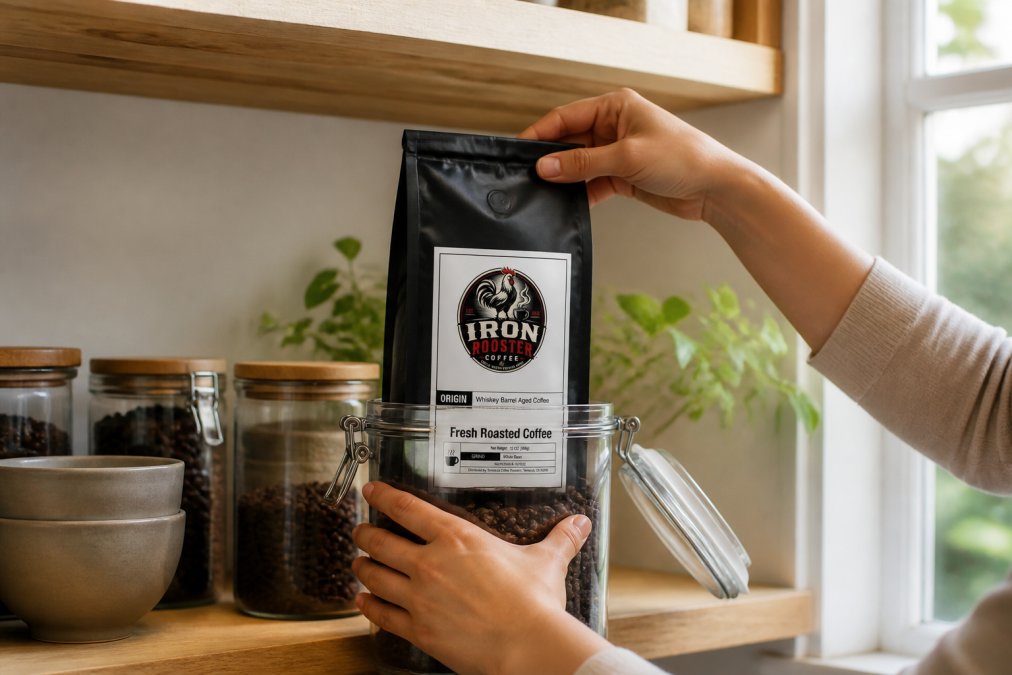
The enemies of fresh coffee are air, light, heat, and moisture. Whole beans in an unopened bag with a one-way valve are ideal. Once opened, transfer coffee to an airtight container immediately. Glass or opaque plastic works, but the container must seal tightly. Store in a cool, dark pantry, never the refrigerator or freezer unless storing for several months, as temperature fluctuations and moisture cause more harm than good.
Grind immediately before brewing. Pre-ground coffee oxidizes rapidly due to increased surface area. Even in ideal storage, coffee begins noticeably declining after 3-4 weeks. Receiving fresh beans every 2-3 weeks keeps your supply within the optimal window.
Subscription Coffee vs Grocery Store Coffee
Grocery store coffee is optimized for shelf life and profit margins, not flavor. A typical bag costs $8-12 and was roasted 2-4 months ago, passing through multiple hands. The roaster uses beans that handle long storage without tasting obviously stale, usually darker roasts and lower-grade beans.
Subscription coffee costs more per ounce, Iron Rooster Coffee Co.'s Whiskey Barrel Aged blend is $20.99 for a bag, but arrives within days of roasting. The beans are higher quality and can use lighter roasts and single-origin varieties that showcase flavor. You're paying for freshness, quality, and convenience.

The cost-benefit depends on how much you care about flavor. If you taste the difference and want better mornings, subscription coffee is worth the premium. Subscription roasters can prioritize freshness because they ship directly to the end user rather than through a supply chain designed for durability.
Subscription Fatigue and Logistics Reality
Subscription coffee can backfire if you're not intentional about managing it. Subscription fatigue occurs when you sign up excited but life gets messy, you travel, brew less, or miss deliveries. Suddenly you have three bags piling up, and the oldest ones are already past their prime.
Logistics also matter more than roasters admit. A subscription shipping from the West Coast to the East Coast takes 4-5 days. That's better than grocery store timelines but not instant. Weather delays and sorting facility holds happen.
The real advantage comes from flexibility. Services that let you pause, skip, or adjust frequency prevent backup problems. Iron Rooster Coffee Co. allows you to control your subscription with no forced shipments or penalties for pausing, keeping your supply in the freshness window.
Subscription works best for people with stable routines who know their consumption rate and can manage regular deliveries. It works less well for those with erratic coffee habits or who travel frequently.
What Actually Matters When Choosing Subscription Coffee
Freshness is important, but several factors determine whether a subscription delivers better coffee.
Roast date transparency is non-negotiable. If a service doesn't print the roast date, skip it. Iron Rooster Coffee Co. stamps every bag clearly.
Roast quality matters as much as freshness. A perfectly fresh mediocre bean tastes worse than a slightly older excellent bean. Look for roasters sourcing specialty-grade beans with published cupping notes. Single-origin coffees and small-batch roasts are usually better than generic blends.
Flexibility prevents subscription fatigue. You want to adjust frequency, pause without penalty, or skip shipments. Services that lock you into monthly cycles with cancellation friction are betting you'll forget and keep paying.
Shipping speed and packaging matter. A roaster shipping within 2-3 days with proper airtight bags and one-way valves preserves freshness. Slow shipping or flimsy packaging defeats the advantage.
Brewing compatibility is often overlooked. Some subscriptions offer grind options; others don't. Whole bean is always better if you have a grinder.
Price per ounce varies from $0.40 to $1.00+ depending on quality. Specialty single-origin coffee costs more than standard blends but offers better flavor.
Iron Rooster Coffee Co. checks these boxes: roast dates printed clearly, carefully selected beans roasted fresh, flexible subscription you control, fast shipping, and packaging that preserves freshness. Blends like the Whiskey Barrel Aged offer distinctive flavor profiles that justify the premium price.
Conclusion
Is subscription coffee really fresher? Yes. The roast-to-door timeline is dramatically shorter than the roast-to-warehouse-to-store-to-home timeline. You get beans in their flavor prime instead of past their peak.
But freshness is only part of the story. How you manage the subscription, store the beans, and match the coffee to your brewing method determines whether you taste that freshness advantage. The real win with subscription coffee is the combination of freshness, quality, and control. Iron Rooster Coffee Co. delivers exactly that: freshly roasted artisan blends shipped directly to your door with the flexibility to adjust your subscription as your needs change. Add Iron Rooster Coffee Co. to your routine and experience the difference fresh, carefully roasted coffee makes in your morning.
Frequently Asked Questions
How do I know if subscription coffee is actually fresh?
Check the roast date on the bag, it should be within 2-4 weeks of delivery. Subscription roasters typically print this prominently. Fresh subscription coffee beans feel slightly oily and smell vibrant; stale beans feel dry. The coffee should arrive in a bag with a one-way valve to release degassing gases. Request shipping within 3-5 days of roasting, and verify the roaster roasts to order rather than maintaining bulk inventory.
What is the coffee roast date importance when buying online?
The roast date determines the freshness window and flavor profile. Coffee peaks 5-14 days after roasting, when degassing completes and flavors stabilize. Beans roasted more than 30 days ago have lost aromatic oils and complexity. Subscription services highlight roast dates because they roast frequently; grocery store bags rarely show dates, meaning beans may be months old. Always prioritize roast date over best-by date when evaluating subscription versus store-bought options.
Why is subscription coffee more expensive than grocery store coffee?
Subscription coffee costs more because it's roasted fresh to order, uses specialty-grade single-origin beans with traceability, and ships within days. Grocery store coffee is mass-roasted weeks or months ahead, stored in warehouses, and uses lower-grade commodity beans. You pay for freshness, bean quality, and roaster expertise. A single-origin subscription option like Iron Rooster's Whiskey Barrel Aged ($20.99 per bag) reflects the cost of small-batch roasting and premium processing, not markup alone.
How should I store subscription coffee beans for maximum freshness?
Store beans in an airtight container away from heat, light, and moisture, a cool, dark pantry is ideal. Keep whole beans rather than pre-ground; ground coffee oxidizes 10 times faster. Avoid the freezer unless storing beyond 4 weeks; condensation damages flavor. Use beans within 3-4 weeks of the roast date for peak flavor. One-way valve bags protect beans during shipping and storage by allowing carbon dioxide to escape without letting oxygen in.
This article was written using GrandRanker