

Table of Contents
- What Makes Coffee Beans Low Acidity?
- Dark Roast vs Light Roast Acidity: Which Is Gentler?
- How to Brew Low Acid Coffee at Home
- Our Picks for Smooth Coffee Beans Low Acidity
- Cold Brew Acidity Levels: What the Numbers Say
- Flavor Without the Bite: What to Expect
- Final Thoughts on Choosing Gentle Beans
- Frequently Asked Questions
Last Updated: September 8, 2026
If you love coffee but dread the jittery, sour bite that comes with a bright cup, you are not alone. Many drinkers seek out smooth coffee beans low acidity to protect their stomachs while still enjoying a rich morning ritual. Low acid coffee is defined as beans that produce a brew with a higher pH level, making it gentler on the digestive tract and less likely to trigger acid reflux or heartburn. Choosing the right bean is about balancing comfort with flavor. Below, we’ll show you exactly how to identify, select, and brew beans that deliver a clean, chocolatey profile without the gastrointestinal distress.
What Makes Coffee Beans Low Acidity?
The acidity in coffee comes primarily from organic acids, including chlorogenic acid, which forms during the roasting process. While many perceive acidity as a desirable "brightness" in flavor, for others, it translates to stomach discomfort. The pH level of brewed coffee typically falls between 4.85 and 5.10, but certain factors can push it higher (peer-reviewed research).
The most significant variable is origin and variety. Arabica beans grown at lower altitudes tend to have a naturally milder profile compared to high-altitude beans that develop more complex, tangy characteristics. Additionally, natural process and low-altitude beans often yield a smoother, heavier mouthfeel with reduced perceived acidity.
Dark Roast vs Light Roast Acidity: Which Is Gentler?
As beans roast longer, chlorogenic acid breaks down, and compounds like N-methylpyridinium form, which signal a less acidic brew to your stomach (PubMed). Consequently, a dark roast is generally gentler on the digestive system than a light roast, even if the light roast has a more vibrant, fruity flavor.

For a smooth coffee experience, look for beans that have reached at least a Full City roast level. This profile ensures the bean’s sugars have caramelized, creating a balanced, nutty flavor with a heavy body. While a light roast might have more "brightness," it often comes with a higher risk of triggering heartburn for sensitive drinkers.
How to Brew Low Acid Coffee at Home
Your brewing method can either amplify or mitigate acidity. The most effective technique for minimizing acid extraction is cold brewing, as cold water extracts fewer acidic compounds, resulting in a smoother, less bitter concentrate.
- Cold Brew: Steep coarse grounds in cold water for 12-24 hours. This method produces a concentrate that is naturally sweeter and has a lower measurable acid level.
- Low-Temperature Hot Brew: If you prefer hot coffee, try using water just off the boil (around 195°F) rather than a rolling boil. Higher temperatures can over-extract bitter and acidic notes.
- Add a Pinch of Salt: A tiny pinch of salt in the grounds before brewing can help neutralize perceived bitterness and round out the flavor profile.
Our Picks for Smooth Coffee Beans Low Acidity
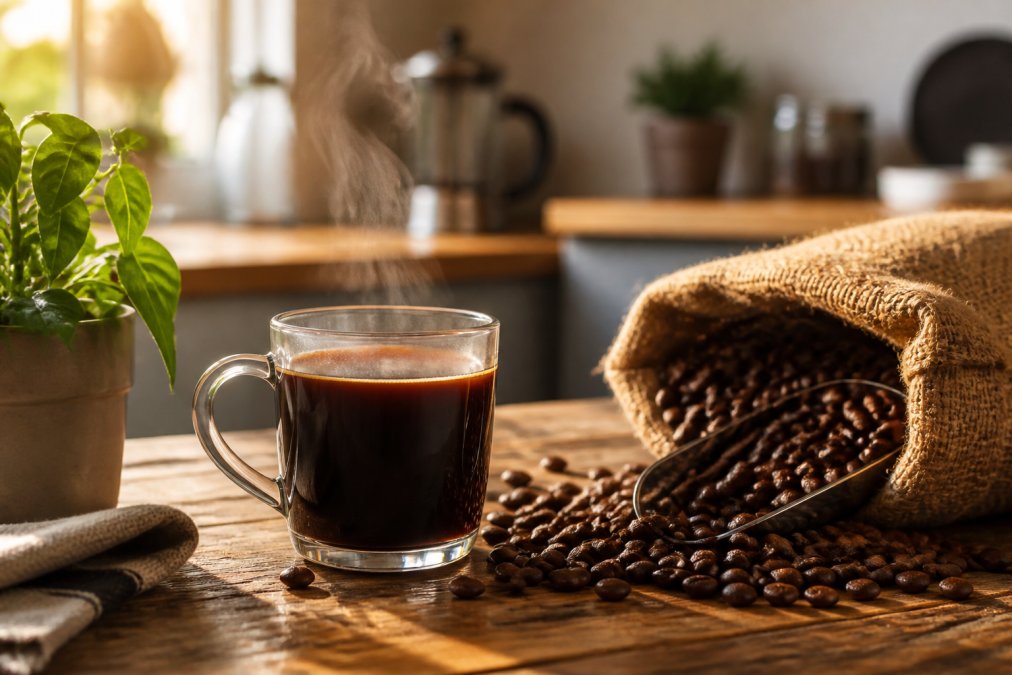
When selecting beans for a gentle cup, we look for specific markers: low-altitude growth, medium-to-dark roasts, and a flavor profile that leans toward chocolate and nuts rather than citrus. Here are our top recommendations for smooth coffee beans low acidity.
Our top pick is the Brazil Santos from Iron Rooster Coffee Co. It is a medium roast grown at 750-1050 meters on volcanic loam soil, which contributes to its elegant, smooth cup with cocoa notes. The pulped natural process and sun-drying method enhance its sweetness, making it a perfect daily driver for those who want a clean finish.
| Bean | Roast | Tasting Profile | Best For |
|---|---|---|---|
| Brazil Santos | Medium | Cocoa, Smooth, Elegant | Daily sipping |
| House Blend | Medium | Nutty, Sweet Chocolate | Consistent all-rounder |
| Uganda | Light | Floral, Chocolate, Mild Acidity | Those wanting complex yet gentle notes |
For those who prefer a blend, the House Blend offers a medium body with tasting notes of nutty, sweet chocolate and a mild citrus that finishes clean. It is crafted from Central and South American beans, ensuring a balanced cup that is consistent every morning.

Cold Brew Acidity Levels: What the Numbers Say
Most guides stop at "cold brew is smoother," but the measurable difference matters. The pH scale is logarithmic, meaning a shift from 5.0 to 5.5 represents a roughly threefold reduction in acidity (usgs.gov). While hot-brewed coffee typically lands between 4.85 and 5.10 pH, cold brew consistently tests higher, often in the 5.5 to 6.0 range.
This isn't just marketing. Cold water (around 40°F) is a less aggressive solvent than water at 195-205°F. Hot water rapidly breaks down chlorogenic acid and other organic acids, pulling them into the cup. Cold water extracts the sweeter, heavier molecular compounds, like sugars and lipids, while leaving harsh acids behind in the grounds.
Brewing Method Comparison: pH Impact
| Method | Water Temp | Typical pH Range | Relative Acidity | Best For |
|---|---|---|---|---|
| Cold Brew | 40-70°F | 5.5 - 6.0 | Lowest | Maximum stomach comfort |
| French Press | 195-205°F | 4.9 - 5.2 | Moderate | Full body with some brightness |
| Pour-Over (V60) | 200-205°F | 4.8 - 5.1 | Higher | Clarity and floral notes |
| Espresso | 195-200°F | 4.9 - 5.2 | Moderate | Concentrated, syrupy shots |
The table above reflects common patterns; your exact results will vary with bean origin and roast level. The key takeaway is that your brewing method is as important as your bean choice. A dark roast Brazilian bean brewed as a pour-over may still be more acidic than a medium roast Colombian brewed as cold brew.
How to Brew Cold Brew for Maximum Smoothness
To achieve the gentlest cup possible, follow this ratio and timeline:
- Ratio: Use 1 part coffee to 8 parts water by weight. A 1:8 ratio yields a concentrate you can dilute 1:1 with water or milk. Going stronger (1:5) increases extraction and acidity.
- Grind Size: Use a coarse grind, similar to breadcrumbs. Fine grinds over-extract and introduce bitter, acidic notes even in cold water.
- Steep Time: 18 hours is the sweet spot for most beans. At 12 hours, the brew may taste underdeveloped; at 24+ hours, you risk pulling out the harsher compounds you are trying to avoid.
- Filtration: Use a paper filter or a nut-milk bag. Metal filters let fine particles through, which can add a gritty, bitter edge to the final cup.
The pH Reality Check
No coffee is truly "acid-free." Even the gentlest cold brew will register around 5.5 pH, which is still more acidic than plain water (7.0 pH). However, for those managing acid reflux or GERD, the difference between a 4.85 pH hot brew and a 5.8 pH cold brew is substantial.
By understanding the numbers behind your brew, you move beyond guesswork, you are engineering a gentle cup.
Flavor Without the Bite: What to Expect
The biggest fear among coffee lovers considering low-acid beans is that they will end up with a flat, lifeless cup. That fear is understandable, but it is based on a misconception. Low-acid coffee does not lack flavor; it simply shifts the spectrum from bright, citrusy, and tart notes to depth, sweetness, and body.
Mapping Low-Acid Beans to Flavor Profiles
Low-acid beans are not a monolith. They span a range of profiles, from nutty and chocolatey to earthy and spicy. Here is a practical map:
| Flavor Preference | What to Look For | Typical Origins | Roast Level |
|---|---|---|---|
| Chocolate & Cocoa | Beans described as "cocoa," "dark chocolate," or "baker's chocolate" | Brazil, Colombia, Sumatra | Medium-Dark to Dark |
| Nutty & Toasty | Notes of "almond," "hazelnut," or "toasted grain" | Brazil, Guatemala, Mexico | Medium to Medium-Dark |
| Caramel & Sweet | "Brown sugar," "molasses," or "honey" sweetness | Colombia, Peru, Honduras | Medium |
| Earthy & Spicy | "Cedar," "clove," or "smoky" undertones | Sumatra, Sulawesi, Java | Dark |
| Floral & Delicate | "Jasmine," "orange blossom," or "tea-like" (low acid versions exist) | Ethiopia (washed), Kenya (low-altitude lots) | Light to Medium |
This table is a starting point, not a guarantee. The same origin can taste different depending on the farm, the harvest year, and the roaster's style. But it gives you a vocabulary for reading bag labels or talking to your local roaster.
Why Low-Acid Beans Taste Different
The flavor shift is chemistry. When beans are roasted to a Full City level or beyond, sugars caramelize and chlorogenic acid breaks down into quinic acid and caffeic acid, compounds less irritating to the stomach. In the process, the bean loses its volatile, fruity esters (the source of "brightness") and develops heavier, caramelized compounds.
This is why a dark-roasted Sumatra tastes of cedar and dark chocolate, while a light-roasted Ethiopian Yirgacheffe tastes of bergamot and lemon. The former is naturally lower in perceived acidity; the latter is prized for its tangy kick. If you want the gentle cup, you are choosing the flavor profile that comes with it, not a lesser version of a bright cup.
How to Taste the Difference
When you brew your first low-acid batch, do not judge it against a light roast. Evaluate it on its own terms:
- Smell: Expect aromas of cocoa, toasted nuts, or brown sugar rather than citrus or berries.
- First Sip: Notice the mouthfeel. Low-acid beans often feel heavier and more syrupy, coating the tongue rather than zipping past it.
- Finish: Look for a long, sweet aftertaste. A good low-acid cup should leave no bitter or sour residue on the back of your palate.
- Temperature Change: As the cup cools, the sweetness should become more pronounced. If it turns sour or metallic, the bean was likely under-roasted or brewed too hot.
The Myth of the "Flat" Cup
A well-roasted low-acid bean should never taste flat. Flatness comes from stale beans, poor grinding, or under-extraction, not from low acidity. A properly roasted and brewed low-acid coffee should have a rich, round body with a lingering sweetness, satisfying to drink black without needing milk or sugar.
If a low-acid bean tastes dull, check your variables: Is the roast date within the last four weeks? Is your grind size appropriate for your brew method? Are you using water just off the boil? Any of these factors can flatten a cup regardless of its acid content.
Final Thoughts on Choosing Gentle Beans
Finding the right smooth coffee beans low acidity comes down to understanding the interplay between origin, roast, and brew method. You want beans grown at lower altitudes, roasted to a medium or dark level, and prepared using a method that limits acid extraction. By focusing on these elements, you can enjoy a daily cup that is both flavorful and kind to your system.
We recommend starting with a medium roast single-origin like the Brazil Santos or a carefully crafted blend like the House Blend. These options offer the chocolatey, nutty profiles that define a great low-acid experience.
Frequently Asked Questions
Which coffee beans have the best low acidity?
Beans grown at lower altitudes, like those from Brazil, tend to have the lowest acidity. Look for medium to dark roasts with tasting notes like chocolate, cocoa, or nuts, which indicate a smoother profile. Our Brazil Santos single-origin is a great example, offering an elegant cup with cocoa notes and a gentle mouthfeel.
Does roast level affect coffee acidity?
Yes. Darker roasts break down more chlorogenic acid during the roasting process, resulting in a less acidic cup compared to light roasts. A dark roast offers a fuller body and a more mellow flavor. However, the origin of the bean also plays a role, so combining a dark roast with low-acid beans provides the gentlest result.
How can I reduce the acidity of my coffee at home?
Switching to a dark roast and brewing with a cold brew method are the two most effective ways to reduce acidity. Cold water extraction results in a coffee with up to 70% less acid than hot brewing. You can also try a coarser grind to reduce extraction time and bitterness.
What coffee is smooth and not bitter?
Smooth, non-bitter coffee comes from beans that are roasted to balance sweetness and body without over-extraction. Look for blends with a medium body and tasting notes of chocolate or nuts, like our House Blend. Brewing with slightly cooler water (around 195°F) and a coarser grind will also help prevent bitterness.
For many coffee lovers, the journey to a gentler cup is about reclaiming the morning ritual without the fear of heartburn. At Iron Rooster Coffee Co., we craft our blends to be smooth, clean, and flavorful, selecting the finest beans to ensure every cup delivers a satisfying experience. Add our House Blend or Brazil Santos to your rotation and enjoy the convenience of fresh-roasted coffee delivered straight to your door, designed for a better, more comfortable morning.