

Table of Contents
- Why Artisan Coffee Tastes Less Bitter
- Light Roast vs. Dark Roast Bitterness
- Coffee Extraction and Bitterness
- How to Make Coffee Less Bitter
- Least Bitter Coffee Beans for Smooth Mornings
- Water Quality and Mineral Composition
- Frequently Asked Questions
Last Updated: October 9, 2026
Why Artisan Coffee Tastes Less Bitter
When you brew a cup of artisan coffee, you're tasting the result of choices made long before water hits the grounds.
Most mass-market coffee tastes harsh because it prioritizes shelf stability and volume over flavor. Artisan roasters take the opposite approach. They source beans carefully, roast them lightly to medium, and ship them fresh.
Understanding why artisan coffee tastes less bitter helps you make better choices at home. You'll learn which beans deliver smooth flavor, how roast level changes bitterness, and what brewing mistakes create harsh coffee even with quality beans.
The Role of Bean Selection and Origin
The bean itself matters more than most people realize. Different origins produce different flavor compounds.
Artisan roasters choose beans based on their natural characteristics. Ethiopian beans often have fruity, floral notes. Brazilian beans tend toward chocolate and caramel.
Single-origin coffees, beans from one specific region, allow you to taste the terroir.
Processing method also shapes bitterness. Natural-process coffees (dried with the fruit still attached) develop sweeter, fruitier notes. Washed coffees taste cleaner and brighter.
Our Ethiopia Natural from Iron Rooster Coffee Co. uses small-holder farmers in the Sidama zone and a full natural process with hand sorting.

How Roasting Process Affects Bitterness
Roasting is where magic happens, but also where mistakes create bitterness. Light roasts preserve the bean's origin flavors. Medium roasts add caramel sweetness. Dark roasts develop smoky, bold notes.
Here's the key: over-roasting creates harsh, burnt flavors that read as bitter on your palate. Artisan roasters control roast temperature carefully.
A light roast pulls out bright, acidic notes. Medium roasts balance acidity with sweetness. Dark roasts are bold but can taste ashy if roasted too long.
Fresh roasting also matters. Coffee begins to stale the moment it cools. Artisan roasters ship within days of roasting. Mass-market coffee sits in warehouses for weeks or months, oxidizing and losing fresh flavors.
Light Roast vs. Dark Roast Bitterness
Many people assume dark roast tastes more bitter. That's not quite right. What changes is the type of bitterness.
Light roast emphasizes the bean's origin flavors. You taste fruit, floral notes, brightness.
Dark roast develops roasted, smoky flavors. If roasted properly, dark roast is bold but balanced. If over-roasted, it tastes burnt and ashy.
The confusion comes from acidity. Many coffee drinkers equate acidity with bitterness. They're different. Acidity is bright and clean. Bitterness is harsh and lingering.
Artisan roasters balance these elements. They roast light beans to bring out clean, bright flavors. The result is smooth coffee at any roast level.
Coffee Extraction and Bitterness
Extraction is the process of dissolving flavors from the grounds into water. Get it right, and you taste all the good flavors. Get it wrong, and you extract bitter compounds while missing the sweet ones.
Over-Extraction: The Primary Culprit
Over-extraction is the single biggest reason home-brewed coffee tastes bitter. It happens when water spends too long in contact with the grounds. The early flavors taste good. But if water sits too long, it pulls out harsh, astringent compounds that taste burnt.
Think of it like steeping tea. Two minutes tastes balanced. Five minutes tastes bitter and harsh. Same principle with coffee.
Over-extraction happens when:
- Grind size is too fine
- Brew time is too long
- Water temperature is too hot
- You use too much coffee relative to water
Any of these alone can create bitterness. Combined, they guarantee a harsh cup.
Grind Size and Brew Time Impact
Grind size controls how fast water passes through the grounds. Fine grinds slow water down. Coarse grinds speed it up.
A fine grind is good for espresso, where water spends only 25-30 seconds in contact with grounds. A coarse grind is good for French press, where water sits for 4 minutes.
Many people grind too fine at home. They think finer means more flavor. Actually, finer means faster extraction of harsh compounds. A medium-fine grind works for most home brewing methods. Adjust from there based on taste.
Brew time should match your grind size:
- Pour-over: 2.5-4 minutes with medium-fine grounds
- French press: 4 minutes with coarse grounds
- Espresso: 25-30 seconds with fine grounds
- Cold brew: 12-24 hours with coarse grounds
Shorter brew times reduce bitterness. If your coffee tastes harsh, shorten brew time by 30 seconds and taste again.
How to Make Coffee Less Bitter
If your coffee tastes bitter, the fix usually involves one of three adjustments: temperature, ratio, or equipment.
Adjust Your Brew Temperature and Ratio
Water temperature controls extraction speed. Hotter water extracts faster. Cooler water extracts slower.
Ideal brewing temperature is 195-205°F. Too hot (above 210°F) over-extracts and creates bitterness. Too cool (below 190°F) under-extracts and tastes sour or flat.
If you're using a standard drip machine, check the actual water temperature. Many machines don't heat water hot enough. A simple fix: use a kettle and pour water at the right temperature.
Coffee-to-water ratio also affects bitterness. Too much coffee relative to water creates a strong, harsh cup. Too little creates weak, flat coffee.
A standard ratio is 1:16 (1 part coffee to 16 parts water by weight). This works for most brewing methods:
- 0.5 oz coffee to 8 oz water
- 1 oz coffee to 16 oz water
- 2 oz coffee to 32 oz water
Adjust the ratio based on taste. If coffee tastes bitter, use slightly less coffee. If it tastes weak, use slightly more.
Use Fresh, Clean Equipment
Dirty equipment creates bitter coffee. Old coffee oils build up inside your brewer and create rancid, harsh flavors.
Clean your equipment regularly:
- Daily: rinse the brew basket and carafe
- Weekly: run hot water through the machine without grounds
- Monthly: deep clean with a descaling solution
For French press, rinse the filter screen thoroughly. For pour-over, rinse the filter before brewing. For espresso machines, backflush the group head.
Fresh water also matters. If your tap water is hard or chlorinated, it affects flavor. Use filtered water for better taste.
Least Bitter Coffee Beans for Smooth Mornings
Certain beans are naturally less bitter. Medium-light roasts from specific origins deliver smooth, balanced flavor.
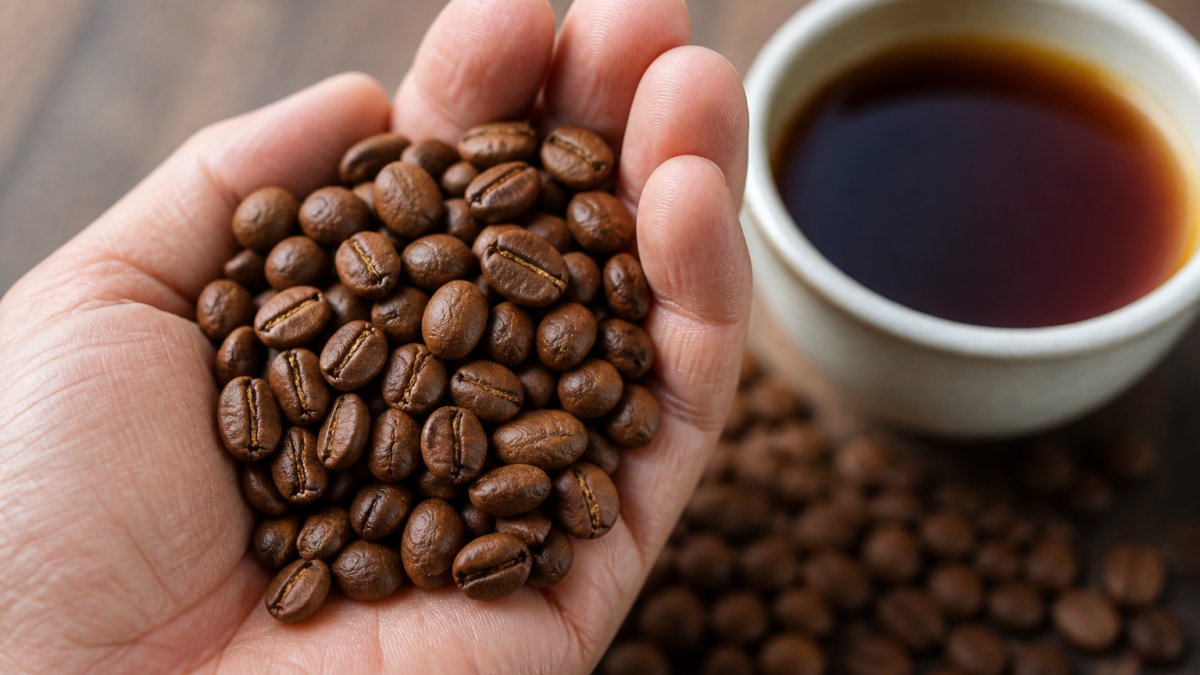
Look for beans with these characteristics:
- Medium or medium-light roast
- High altitude (above 1,500 meters)
- Washed or natural process
- Recent roast date (within 2 weeks)
- Single-origin from known regions
Our Tanzania coffee delivers pear, floral, and jasmine notes with a clean, bright finish. It's roasted medium-light to preserve those delicate flavors. No harshness, just smooth, approachable coffee.

Our Brazil Santos offers cocoa and caramel with an elegant, balanced body. Medium roast brings out sweetness without any burnt taste. It's the definition of smooth morning coffee.
Both are freshly roasted and shipped within days. That freshness is what prevents stale, bitter flavors from developing.
Water Quality and Mineral Composition
Water is roughly 98% of your brewed cup, and it is the variable most home brewers never touch. Competitors mention water in passing and move on. This is where you can actually pull ahead, because water chemistry is the fastest way to change how bitter a cup tastes without changing anything about your coffee.
What's actually in your water
Brewing water has two properties that matter:
- Total hardness, the combined concentration of calcium and magnesium, usually expressed in parts per million (ppm) as calcium carbonate equivalent.
- Alkalinity, the water's capacity to buffer acids, driven mainly by bicarbonate. This is the one that most directly affects perceived bitterness.
Hardness pulls flavor out of the grounds. Alkalinity neutralizes the acids that give coffee its brightness. Get the balance wrong in either direction and the cup reads harsh or flat.
Target ranges worth aiming for
The Specialty Coffee Association publishes water standards that most roasters and cafés use as a reference point. The practical targets:
- Total hardness: roughly 50-175 ppm as CaCO₃
- Alkalinity: roughly 40-70 ppm as CaCO₃
- pH: 6.5-7.5
- TDS (total dissolved solids): 75-250 ppm
- Chlorine: zero, it produces a medicinal, band-aid flavor that many drinkers mislabel as bitterness
If your water sits inside those ranges, you can stop reading and go brew. If it doesn't, the fixes below are cheap.
Diagnosing your water in five minutes
You don't need a lab. Two inexpensive tools get you most of the way:
- A TDS meter (under $20 at most homebrew and aquarium suppliers). It tells you total dissolved solids, not the hardness/alkalinity split, but it flags extremes fast. Above 250 ppm, dilution is usually the answer. Below 50 ppm, you likely need to add minerals.
- Your municipal water quality report. Utilities publish these annually and they list hardness and alkalinity directly. If you're on a well, a basic test kit from a home improvement store covers it.
municipal water quality reports and consumer confidence reports
Fixing water that's out of range
If your water is too hard or too alkaline (the most common cause of dull, bitter-tasting coffee):
- Dilute with distilled or reverse-osmosis water. A 50/50 blend of tap and distilled often lands in range without any other adjustment.
- Or brew entirely with distilled water plus a mineral packet or a small pinch of baking soda and Epsom salt. Third-wave water recipes are widely published and take about a minute to mix.
If your water is too soft (coffee tastes flat, sour, or hollow):
- Add minerals back. A quarter-teaspoon of Epsom salt per gallon raises magnesium, which improves extraction and sweetness. A tiny pinch of baking soda raises alkalinity if the cup is too sharp.
- Bottled 'mineral water' varies wildly, some brands are essentially distilled. Check the label rather than assuming.
If your water smells like a pool:
- Carbon filtration removes chlorine and chloramine. A basic pitcher filter handles this. This alone fixes a surprising number of 'bitter' complaints.
How water interacts with the rest of your recipe
Water chemistry doesn't operate in isolation. Two adjustments matter:
- Harder water extracts faster. If you switch from soft to hard water without changing anything else, you may need to grind slightly coarser or shorten brew time by 15-30 seconds to avoid over-extraction.
- Higher alkalinity mutes acidity. If your coffee tastes flat and lifeless rather than bitter, alkalinity is often the culprit, not the beans. Lowering alkalinity brings brightness back without making the cup harsh.
A quick side-by-side test
Brew two identical cups, same beans, same grind, same ratio, same temperature, one with your tap water and one with distilled water plus a mineral packet. Taste them side by side. Most people find the difference more dramatic than any grinder upgrade they've made. That single test tells you whether your next dollar is better spent on water or on equipment.
Frequently Asked Questions
What type of coffee tastes the least bitter?
Light to medium roasts, single-origin specialty coffees, and freshly roasted artisan beans typically taste less bitter than dark roasts or stale mass-market coffee. Beans from origins like Ethiopia and Tanzania, with natural processing methods, often deliver smooth, nuanced flavors with lower bitterness. Artisan roasters focus on bringing out the bean's origin character rather than developing harsh, charred notes that create bitterness.
Does a lighter roast taste less bitter than a dark roast?
Yes, lighter roasts generally taste less bitter because they're roasted for a shorter time, preserving more of the bean's natural acidity and origin flavors. Dark roasts develop deeper, smoky, and sometimes astringent compounds through longer roasting, which many people perceive as bitter. Light to medium roasts offer a balanced flavor profile with less of that harsh, burnt edge.
How can I make my coffee taste smoother without adding sugar?
Control your extraction by using a coarser grind, shorter brew time, and water between 195-205°F. Use fresh beans roasted within the past two weeks, and maintain a coffee-to-water ratio of 1:16 to 1:17. Clean your equipment regularly to remove stale oils. Switching to a light or medium roast artisan blend, especially single-origin beans, will deliver a naturally smoother, less bitter cup.
What makes coffee taste less bitter?
Bitterness comes from over-extraction, which pulls harsh compounds from the grounds. To reduce it, use the right grind size for your brewing method, shorten contact time, lower water temperature slightly, and use fresh beans. Artisan coffees taste less bitter because roasters select high-quality beans, roast them carefully to highlight origin flavors, and avoid the dark, charred profiles that contribute to harsh bitterness.