

Table of Contents
- What Makes Fresh Coffee Different From Stale Beans
- How to Identify Stale Coffee Beans Before Brewing
- How to Store Coffee Beans for Maximum Freshness
- Order Fresh Roasted Beans Online: What to Look For
- Iron Rooster Coffee Co. Fresh Alternatives
- Cold Brew and Specialty Extraction Methods
- Why Freshness Matters for Your Morning Routine
- Conclusion
Last Updated: August 29, 2026
What Makes Fresh Coffee Different From Stale Beans
Fresh coffee tastes dramatically different from stale coffee because the beans retain their oils, volatile compounds, and aromatic complexity immediately after roasting. Within hours of roasting, coffee begins to oxidize and lose those flavor-defining elements. The difference between a cup brewed from beans roasted three days ago and beans roasted three weeks ago is as stark as comparing fresh-squeezed orange juice to concentrate.
When you're evaluating fresh coffee alternatives, the roast date becomes your primary signal. Coffee reaches peak flavor between 5 and 14 days after roasting, depending on the roast level and bean origin (peer-reviewed research). During this window, the degassing process, where CO2 trapped inside the bean escapes, completes naturally, and the flavor compounds stabilize at their most vibrant. After this window closes, oxidation accelerates, and the coffee becomes increasingly flat, bitter, or stale-tasting.
The practical implication is straightforward: if you're buying coffee without a roast date printed on the bag, you have no way to verify freshness. That's why roast date transparency matters more than any other single factor when selecting fresh roasted beans online. At Iron Rooster Coffee Co., we print the roast date prominently on every bag because we know freshness is what separates a remarkable cup from a forgettable one.
How to Identify Stale Coffee Beans Before Brewing
Stale coffee beans show specific visual and tactile signs that become obvious once you know what to look for. Fresh whole beans have a glossy, slightly oily surface that catches light. Stale beans look dull, chalky, or matte, the surface has lost its sheen because the oils have oxidized and evaporated.
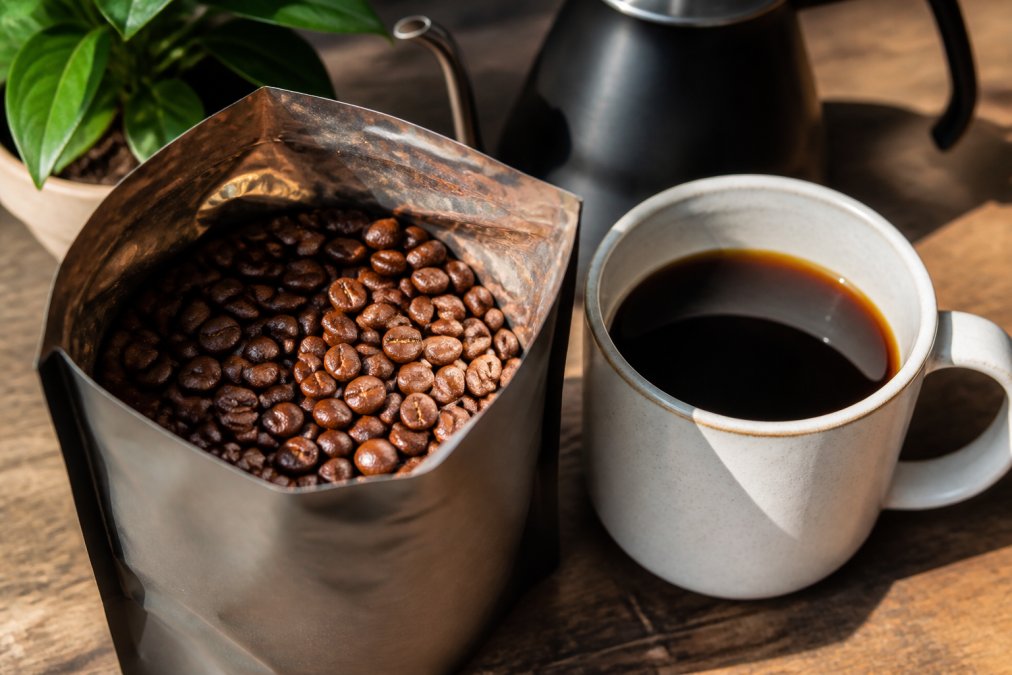
When you open a bag of fresh beans, the aroma hits immediately and intensely. You should smell chocolate, fruit, flowers, or nuts depending on the origin and roast. Stale beans smell muted, flat, or even musty. If you open a bag and barely detect any aroma, the beans have already lost significant volatile compounds.
Density offers another clue. Fresh beans feel heavier and denser in your hand because they still contain moisture and CO2. Stale beans feel lighter and more brittle, they've lost internal structure as compounds break down. If a bean snaps cleanly when you bite it, that's a sign of staleness. Fresh beans resist more and feel slightly springy.
The most reliable test is the grind test. Grind a small amount and smell it immediately. Fresh grounds release an intense burst of aroma. If the smell is weak or absent, the beans have degraded. You can also brew a small cup and taste it. Fresh coffee tastes bright, clean, and complex. Stale coffee tastes flat, bitter, or one-dimensional.
| Sign | Fresh Beans | Stale Beans |
|---|---|---|
| Surface appearance | Glossy, oily sheen | Dull, chalky, matte |
| Aroma when opened | Intense, complex | Muted, flat, musty |
| Density and weight | Heavy, dense | Light, brittle |
| Grind aroma | Strong burst | Weak or absent |
| Brewed taste | Bright, complex, clean | Flat, bitter, one-dimensional |
How to Store Coffee Beans for Maximum Freshness
Storage conditions determine how quickly your beans deteriorate after you bring them home. The four enemies of coffee freshness are light, heat, moisture, and air. Control these four factors and your beans stay fresh significantly longer.
Airtight storage is non-negotiable. Oxygen causes oxidation, which breaks down the compounds that create flavor. Use bags with one-way valves that allow CO2 to escape but prevent air from entering. If your beans come in a bag with a valve, keep them in that bag. If you transfer them, use an airtight container specifically designed for coffee. Mason jars work in a pinch, but they're not ideal because they allow light in.
Temperature stability matters more than cold storage. Many people assume freezing coffee preserves freshness, but temperature fluctuations cause condensation inside the bag, which introduces moisture and accelerates degradation. A cool, dark cabinet at room temperature, around 60-70 degrees, is ideal (usda.gov). If you do freeze beans, keep them in an airtight container, freeze them immediately upon arrival, and thaw them only once before brewing. Multiple freeze-thaw cycles destroy freshness.
Light exposure degrades coffee through the same oxidation process that affects oils in the bag. Store beans in an opaque container or keep them in their original bag, which is typically foil-lined to block light. Never store coffee in a clear glass container on a shelf where sunlight hits it.
Humidity is often overlooked but critical. Coffee is hygroscopic, it absorbs moisture from the air. High humidity causes beans to absorb water, which accelerates oxidation and can introduce mold. Store beans in a dry environment. If you live in a humid climate, consider storing beans in an airtight container with a desiccant packet.
The practical timeline: consume beans within 2-4 weeks of the roast date for optimal flavor (peer-reviewed research). After 4 weeks, they're still drinkable but noticeably flatter. After 8 weeks, most people detect significant degradation. This is why subscription models make sense, fresh beans arrive regularly before the previous batch declines.
Order Fresh Roasted Beans Online: What to Look For
When you're shopping for fresh roasted beans online, three criteria separate reliable roasters from those selling stale inventory: roast date transparency, single-origin sourcing details, and roasting methodology.
Roast Date Transparency
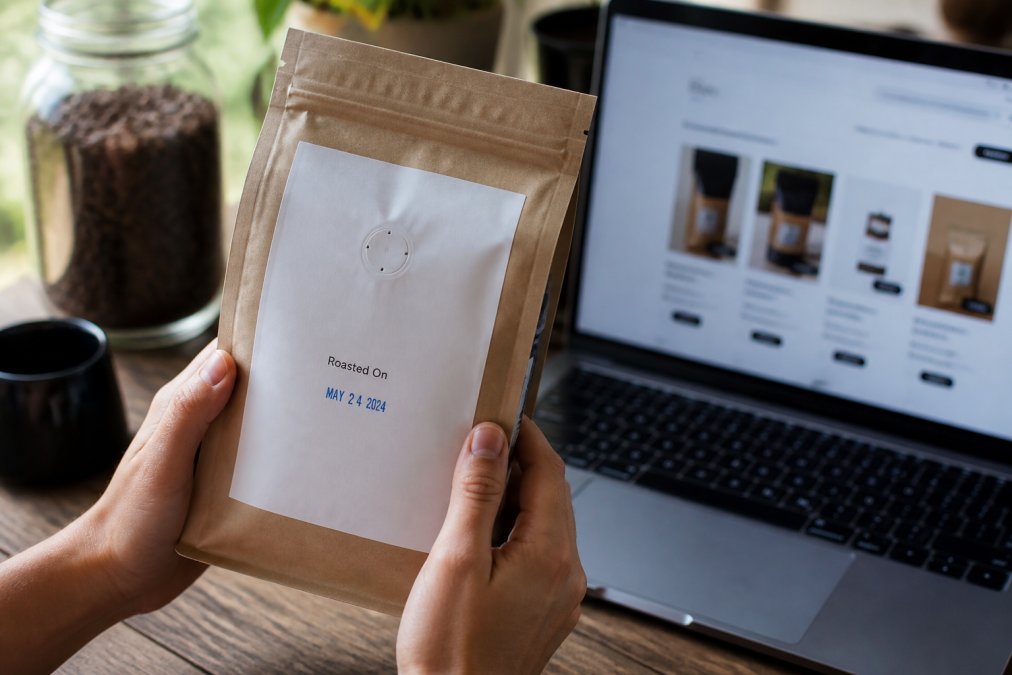
The roast date is the single most important piece of information on a coffee bag. If a roaster doesn't print it, they're either hiding old inventory or they don't track their own production carefully. Both are red flags. Legitimate specialty roasters print the roast date prominently because they stand behind their product's freshness.
When you're evaluating online roasters, check whether the roast date is visible in the product photos or mentioned in the product description. If you have to email customer service to ask when the beans were roasted, that roaster isn't prioritizing freshness. The best online roasters roast on a schedule and ship immediately, so beans arrive within 3-7 days of roasting.
Single-Origin vs. Blended Options
Single-origin coffees come from a specific farm, region, or micro-lot. The tasting notes are specific: "dried orange, berry, and chocolate" from a particular altitude and soil type. This specificity matters because it signals the roaster knows their supply chain. They can tell you exactly where the beans came from, how they were processed, and what flavor profile to expect.
Blended coffees combine beans from multiple origins to achieve a consistent flavor profile. Quality blends are carefully constructed, each component contributes something specific. A well-made blend is more consistent than single-origins because the roaster balances variables. However, blends can also mask lower-quality beans. If a roaster won't tell you which origins they're blending, they might be hiding inferior components.

For fresh coffee alternatives, both single-origins and blends work. The key is whether the roaster provides transparency about sourcing, processing, and tasting notes. That transparency signals they care about quality and freshness.
Iron Rooster Coffee Co. Fresh Alternatives
Iron Rooster Coffee Co. offers several options designed specifically for people prioritizing freshness and flavor. Every bag is roasted in-house and shipped within days, ensuring you receive beans at peak freshness.
House Blend for Everyday Smoothness
The House Blend is a medium roast combining carefully selected coffees from Central and South America. At $20.99, it delivers consistent smoothness with tasting notes of nutty, sweet chocolate, mild citrus, and a clean bright finish. This blend uses both natural-processed and wet-mill washed beans, which means you get complexity from different processing methods in a single cup.
The House Blend works exceptionally well for people who've had bad experiences with acidic or bitter specialty coffee. The medium roast and blended composition create a smooth, approachable cup without harshness. It's the ideal entry point into fresh roasted coffee if you're transitioning from mass-market brands.
For cold brew specifically, the Cold Brew Coffee at $19.99 is formulated with chocolate, toffee, and floral tones that shine when extracted slowly in cold water. Cold brew extraction pulls fewer bitter compounds from the bean, so the smooth, sweet notes become the dominant flavors.

Single-Origin Options for Flavor Exploration
If you want to explore what fresh coffee can taste like when you focus on a specific origin, Iron Rooster Coffee Co. offers two single-origin options. The Brazil Santos at $20.99 comes from Fazenda Santa Barbara in the Parana and Sao Paulo regions at 750-1050 meters elevation. The volcanic loam soil and pulped-natural processing create an elegant, smooth cup with cocoa notes, no sharpness, just clean, balanced flavor.

The Colombia at $20.99 sources from smallholder farmers in Medellin at 1300-1500 meters elevation. The fully washed processing and solar drying create a brighter profile with dried orange, berry, and chocolate notes. This single-origin shows what happens when you focus on one region's unique terroir and processing method.
Both single-origins arrive roasted within days and ship immediately, so you're receiving beans at peak freshness. The specificity of origin information, grower names, altitude, soil type, processing method, signals that Iron Rooster Coffee Co. prioritizes transparency and quality.
Cold Brew and Specialty Extraction Methods
Cold brew extraction fundamentally changes how coffee tastes because water temperature controls which compounds dissolve from the bean. Hot water extracts quickly and pulls more bitter, acidic compounds. Cold water extracts slowly and pulls primarily sweet, smooth compounds. The result is a naturally sweeter, less acidic cup.
Cold brew requires coarser grind sizes and longer steeping times, typically 12-24 hours. The extended contact time compensates for the lower water temperature. When you use fresh roasted beans for cold brew, the smooth, sweet notes become even more pronounced because the extraction method naturally emphasizes those characteristics.
Nitro coffee takes cold brew further by infusing it with nitrogen gas, similar to a draft beer. The nitrogen creates tiny bubbles that give the coffee a creamy mouthfeel without added milk. Nitro coffee feels smoother and richer than regular cold brew, which makes it an excellent format for showcasing fresh, high-quality beans.
If you're coming from mass-market coffee and struggling with acidity or bitterness, cold brew or nitro extraction with fresh roasted beans solves the problem mechanically. The extraction method itself reduces harsh flavors while amplifying the smooth, sweet notes that fresh beans provide.
Why Freshness Matters for Your Morning Routine
The quality of your morning coffee sets the tone for your entire day. If you're drinking stale coffee, you're not getting the full experience the beans can provide. You're also likely consuming more caffeine to compensate for the flat taste, stale coffee tastes weaker, so people drink larger cups or brew stronger batches.
Fresh coffee delivers more flavor complexity in smaller volumes. You can enjoy a satisfying cup at 8 ounces instead of needing 12 ounces of stale coffee to feel satisfied. That's a practical benefit beyond just taste.
The ritual of brewing fresh coffee also matters. When you open a bag of beans roasted days ago and smell that intense aroma, you're engaging with quality. When you grind fresh beans and watch the bloom happen during the first pour, you're participating in a process that produces a better result. These small moments of care compound over time and create a morning routine that actually feels rewarding instead of automatic.
People who switch to fresh roasted beans consistently report that they enjoy their morning coffee more. They drink less overall because the flavor satisfies them. They become more intentional about brewing. They notice the difference between origins and roast levels. These aren't subtle changes, they're fundamental shifts in how people experience coffee.
Switching to fresh roasted beans transforms your morning routine from functional to genuinely enjoyable. The difference between stale and fresh coffee is so significant that once you experience it, going back feels impossible. Iron Rooster Coffee Co. makes this transition simple by printing roast dates, sourcing transparently, and shipping within days of roasting. Whether you choose the smooth House Blend for everyday drinking or explore single-origin options like Brazil Santos or Colombia, you're receiving beans at peak freshness with the flavor complexity they're meant to deliver. Add Iron Rooster Coffee Co. to your routine and experience what fresh coffee actually tastes like.
Frequently Asked Questions
How can you tell if coffee beans are truly fresh?
Fresh coffee beans have a glossy, oily surface and release a strong aroma when crushed. Check the roast date on the bag, beans are optimal within 2-4 weeks of roasting. Stale beans appear dull and dusty, with little smell. When you brew fresh beans, the coffee has a vibrant flavor profile with clear tasting notes like chocolate, citrus, or berry. Older beans taste flat and bitter, lacking the complexity you'd find in freshly roasted options.
What are the benefits of ordering fresh roasted beans online directly from a roaster?
Ordering fresh roasted beans online from artisan roasters ensures you receive beans roasted within days of shipment, not weeks or months old. You gain access to single-origin and micro-lot options unavailable in stores, plus transparency about roast dates, altitude, processing methods, and flavor profiles. Direct ordering eliminates middleman markups and storage time, so you're paying for quality rather than shelf space. Many online roasters offer flexible subscriptions, allowing you to pause or adjust orders to match your consumption rate.
How does roast date affect the flavor profile of coffee?
Roast date directly impacts flavor clarity and complexity. Freshly roasted beans (1-2 weeks from roast) deliver bright, pronounced tasting notes, citrus, floral, berry notes shine clearly. As beans age past 4 weeks, oxidation dulls these flavors, and the coffee tastes flat and bitter. Medium roasts like Iron Rooster's House Blend ($20.99) and single-origins like Brazil Santos ($20.99) are designed to express their full flavor potential within the optimal freshness window. Checking the roast date ensures you're tasting what the roaster intended, not a muted version of the beans.
What should you look for in a high-quality coffee subscription?
Look for roasters who print roast dates on every bag, offer whole bean options for grinding at home, and ship within days of roasting. Verify they source from named growers and include tasting notes and brewing recommendations. Check whether the subscription is flexible, you should pause, skip, or change frequency without penalties. Quality roasters provide details on altitude, processing method, and flavor profile. Iron Rooster Coffee Co. delivers freshly roasted blends and single-origins with fast, automated fulfillment straight to your door, ensuring beans arrive at peak freshness.
Why is small-batch roasting considered superior for freshness?
Small-batch roasting means beans are roasted in smaller quantities more frequently, rather than large batches stored for weeks. This approach reduces oxidation and preserves volatile aromatic compounds that give coffee its flavor complexity. Small-batch roasters typically roast to order or in tight rotation, so inventory ages less. They also have better quality control, each batch is monitored closely for consistency. This method costs more but delivers noticeably fresher, more flavorful coffee compared to mass-market beans roasted in bulk and stored in warehouses.
This article was written using GrandRanker